A busy online store can lose trust fast. During peak season, a small stock mistake turns into late shipments, angry customers, and a messy scramble in the warehouse.
That’s why warehouse management systems (WMS) matter. A WMS is software that runs warehouse work like a smart boss, guiding receiving, storage, picking, packing, and shipping. It helps teams ship faster, waste less, and keep inventory dependable.
And in the US, as of March 2026, many companies recover WMS costs in about 22 months on average (often sooner for cloud deployments). Next, let’s break down what warehouse systems handle daily and why that speed and accuracy ripple across your whole supply chain.
What Warehouse Management Systems Handle Every Day
Think of a warehouse like a huge store after closing time. If someone asked, “Where’s item X?” you’d need more than memory. You’d need a live map plus rules for the fastest route.
That’s what a warehouse management system provides. It automates core tasks so the warehouse runs on real data instead of guesswork. Most WMS platforms handle:
- Receiving: goods get scanned, counted, and matched to orders.
- Storage: items go to the best locations based on rules.
- Picking: workers get clear instructions on what to grab and where.
- Packing: shipments get verified to prevent missing parts.
- Shipping: orders update as they leave the dock.
Because the system tracks stock locations and quantities in real time, you get fewer surprises. When inventory is accurate, stockouts drop (you can’t sell what you don’t have). When storage is planned well, overstock drops too (you don’t pay to hold the wrong items).
If you’re comparing WMS tools, it helps to review the capabilities beyond basic tracking. This guide on warehouse management system features can help you spot what matters for your workflow, not just what sounds good in a demo.
Streamlining Inventory from Arrival to Shipment
A WMS keeps inventory moving in the right order, with tight checks at each step.
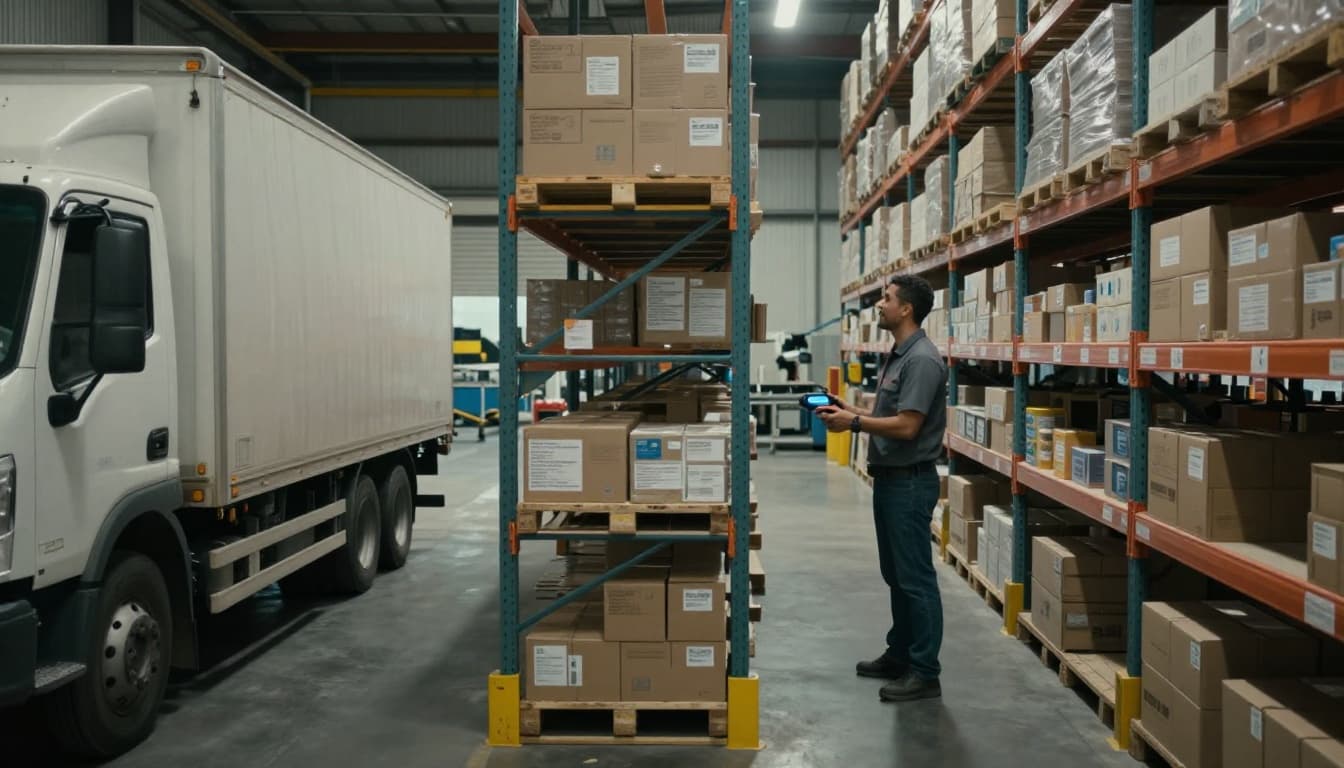
First, incoming goods arrive at receiving. Workers scan barcodes (or RFID), confirm counts, and then the WMS routes items to storage. Next, when orders come in, pickers receive exact location and quantity. That means fewer “wrong shelf” moments, even for fast-growing warehouses with thousands of SKUs.
Then packing gets verified. The system checks what should be in the box, so missing items get caught before the customer waits. Finally, shipping updates happen live. Carriers and internal teams get the right info at the right time, which reduces dock confusion and rework.
The result is simple: less wandering, fewer lost items, and more confident fulfillment.
When a WMS knows where things are, you don’t waste time searching. You ship.
How Warehouse Systems Speed Up Orders and Cut Errors
Warehouse speed shows up in the customer experience. It also shows up in your supply chain planning. If the warehouse can’t process orders reliably, upstream teams feel it first.
A WMS speeds work by improving how tasks get assigned. It helps picking and packing happen in smarter sequences, which reduces travel time and bottlenecks. It also cuts errors because the system guides workers with exact locations and verification steps.
Even better, real-time updates reduce delays. Instead of waiting for daily reports, teams can react while the day still has time to fix issues.
As an example, imagine an e-commerce order arrives at 2:00 p.m. If the WMS can confirm stock instantly, the team can pick and pack quickly. If inventory is uncertain, orders stall, and that pushes delivery dates out.
For a wider look at how warehouse software is evolving, see how WMS may evolve in a digitally connected supply chain. It explains why visibility and connections across partners keep growing in importance.
Real-Time Tracking for Quick Decisions
Overselling hurts. So does shipping the wrong quantity. Both issues start when inventory visibility is delayed.
With a WMS, staff and managers get live views of stock. Workers see exact locations and available quantities before they pick. Planners can spot shortages early and reroute inventory from another area or facility.
That live visibility also supports same-day fulfillment. When the system confirms what’s on hand, orders can move from “received” to “shipped” faster, which helps you keep delivery promises during peak volume.
Boosting Accuracy to Build Customer Trust
Speed matters, but accuracy keeps customers coming back. A WMS reduces picking mistakes through guided instructions and verification checks. It also lowers the odds of lost items because the system records what moved where and when.
When accuracy rises, the after-shipment problems drop. You see fewer returns, fewer customer service tickets, and fewer chargebacks tied to fulfillment errors. Over time, that helps your reviews, too.
Saving Money and Space in Your Supply Chain
Warehouses cost money in two ways: labor and space. A WMS targets both.
On the labor side, fewer manual steps means less time spent on re-checking inventory and fixing errors. On the space side, smarter storage rules improve layout use. That can mean you fit more sellable items without paying for new rent.
Cost benefits also come from waste reduction. When inventory accuracy improves, you buy less “just in case” stock. Then you free up cash for products that actually move.
In March 2026, many US teams report recovery in roughly 12 to 24 months, with average payback often landing around 22 months depending on scope and complexity. If you want a clearer view of pricing and implementation factors, review WMS cost pricing breakdown.
Labor and Storage Savings That Add Up Fast
A WMS can automate routine work, so staff spends time on higher value tasks. That includes problem-solving, exception handling, and quality checks.
Meanwhile, layout optimization helps your physical space work harder. If the system supports better slotting (putting fast-movers in easy-to-reach zones), pickers travel less and get more done per hour. Over time, those small gains become real capacity without adding extra square footage.
Tackling Tough Warehouse Challenges Head-On
Warehouses don’t struggle because people try less. They struggle because volume rises, SKUs multiply, and systems fall out of sync.
Common problems include wrong counts, slow picking, and shipping delays from poor visibility. A WMS directly addresses these because it ties tasks to data at the moment work happens.
It also helps with reverse logistics. Returns aren’t just “put it back.” They need tracking, grading, and routing to the right next step.
Different industries also need different setups. Retail and e-commerce focus on fast order turns. Manufacturing cares about materials, compliance, and proof of what happened to each lot.
Fixing Issues for Retail and E-Commerce
In retail and e-commerce, the big risk is overselling. If one channel shows inventory while another doesn’t, customers pay the price.
A WMS can prevent that by using the same source of truth for stock. Then it supports faster picking for high-demand SKUs, plus better packing verification. When orders ship correctly the first time, you also reduce customer wait time and return rates.
Supporting Manufacturing with Precise Tracking
Manufacturing warehouses often manage more than boxes. They track raw materials, components, and quality records.
With a WMS, teams can follow inventory movement with more precision. That helps with traceability, lot tracking, and keeping production supplied at the right time. In short, the warehouse becomes a dependable link between inbound supply and the line that needs materials now.
Linking Warehouses to the Full Supply Chain Network
A warehouse doesn’t operate alone. It’s part of a chain that includes suppliers, carriers, and planning teams.
A WMS often connects with a transportation management system (TMS). When the systems share updates, shipping gets smoother. For example, the WMS can notify carriers when docks are ready and provide accurate shipment details. That reduces rework at the last minute.
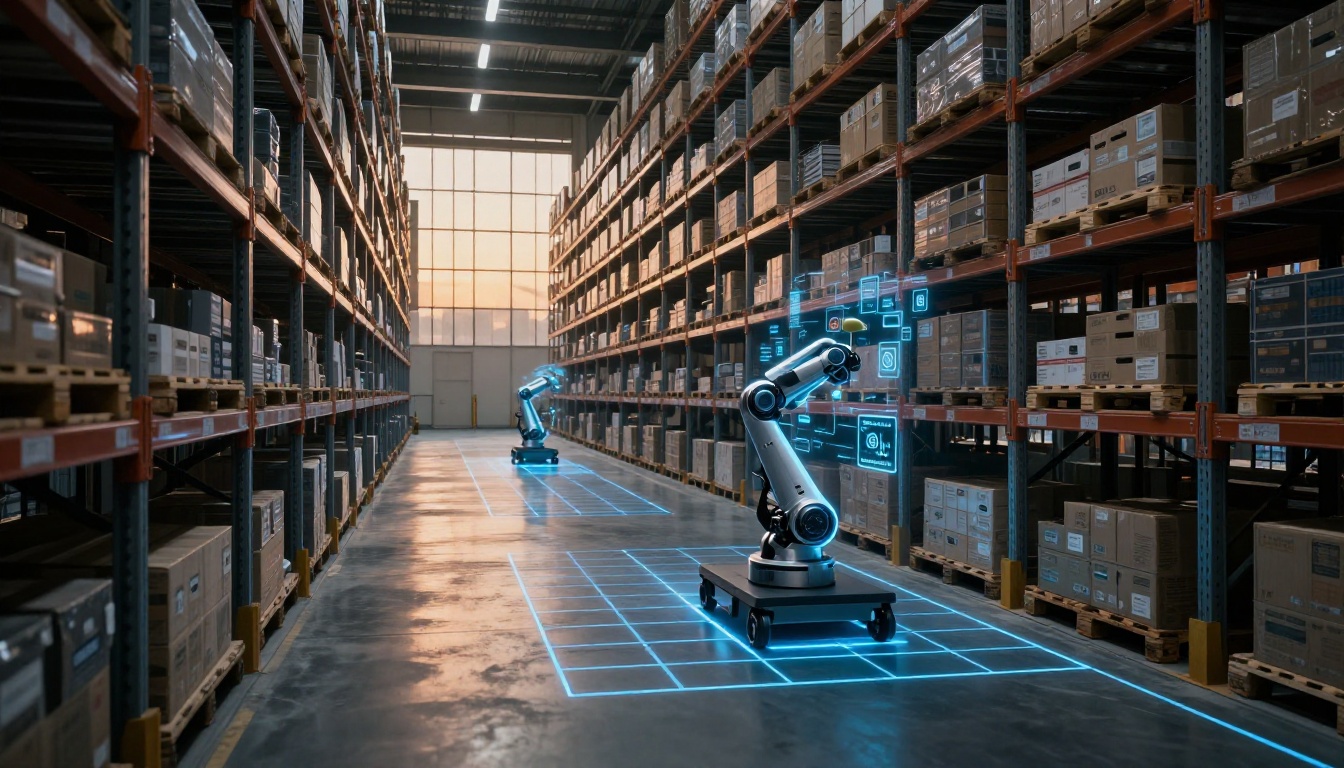
As of 2026, many companies also add more automation around warehouses. That includes robotics, conveyor automation, and software that improves planning and predicts demand. The point isn’t tech for its own sake. It’s to cut manual handling and make output more consistent.
When you connect warehouse execution to the wider network, you reduce delays and improve data quality for decisions. That helps your whole supply chain look calmer, even during peak disruptions.
Conclusion
Warehouse systems matter because they turn warehouse work into controlled, trackable steps. They improve inventory accuracy, speed up order fulfillment, and reduce costly mistakes.
Just like a traffic cop keeps intersections moving, a WMS keeps products moving. And when the warehouse runs right, your supply chain runs right.
If you’re planning upgrades this quarter, compare WMS options based on your receiving, picking, packing, and shipping needs. Then measure results with clear metrics, like order accuracy and pick speed. What’s the biggest bottleneck in your warehouse today?