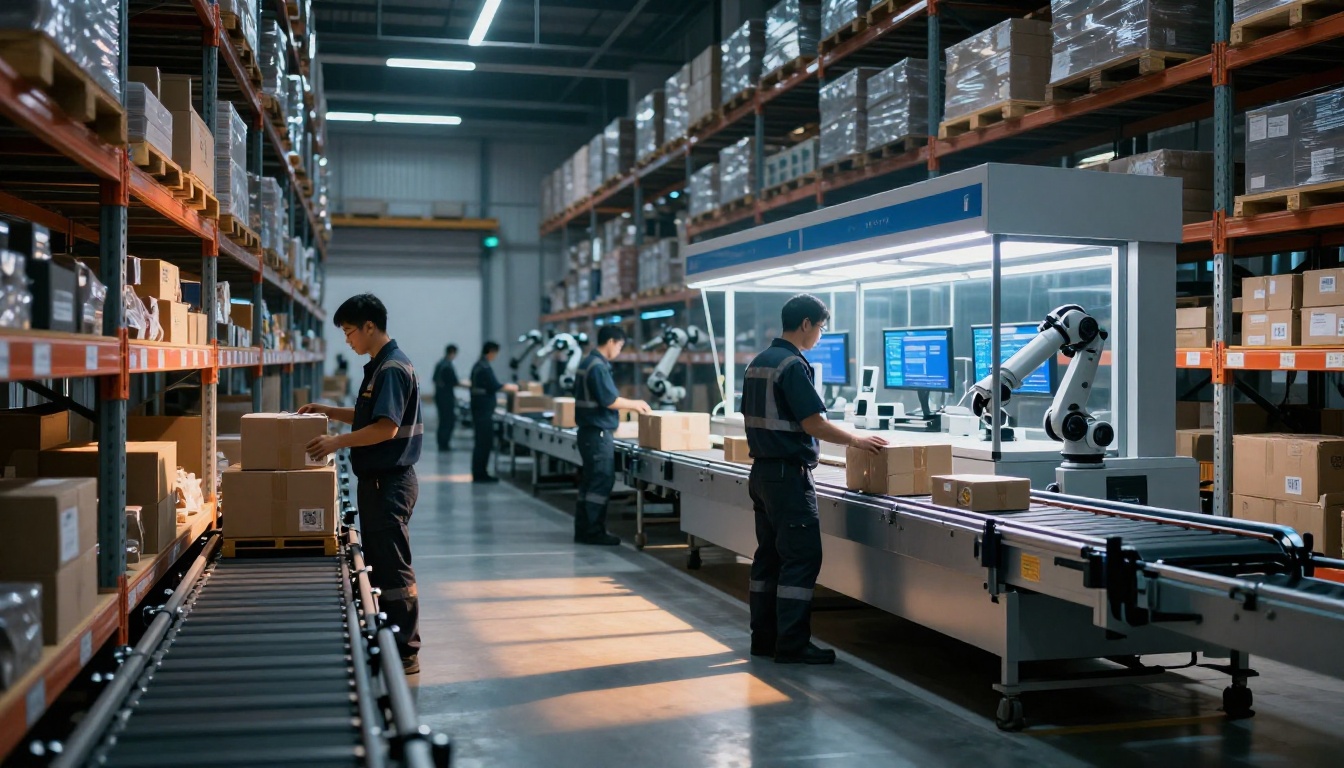
Picture this: you hit “buy now,” and your package shows up next day. That speed doesn’t happen by luck. Warehouses make it real with a warehouse packing process that’s planned, tracked, and checked at every step.
If you run an e-commerce operation, you already know the pain points. Orders pile up, people rush, mistakes happen, and carriers cut off pickup windows. So the question isn’t “Can we ship faster?” It’s “How do we pack and ship without losing accuracy?”
In this guide, you’ll see how warehouses manage packing and shipping from dock to doorstep. You’ll learn the step-by-step workflow, the picking methods that control speed, and what smart packing stations do to prevent damage. Then we’ll cover the tech tools behind efficient shipping, like WMS systems and robots. Finally, we’ll hit the biggest challenges warehouses face in 2026 and the trends shaping what happens next.
Now, let’s walk through the real process that keeps orders moving.
Walk Through the Step-by-Step Packing and Shipping Process
Warehouses run packing and shipping like a relay race. One delay can trip the next person. That’s why the workflow is tight and repeatable.
Here’s the behind-the-scenes tour.
-
Receive goods and store smartly At the docks, inbound shipments get counted, scanned, and checked. Then the warehouse places items in storage that matches how they sell. Fast movers go closer to packing. Heavy goods sit lower on shelves. Labels help workers find the right spot without guessing.
-
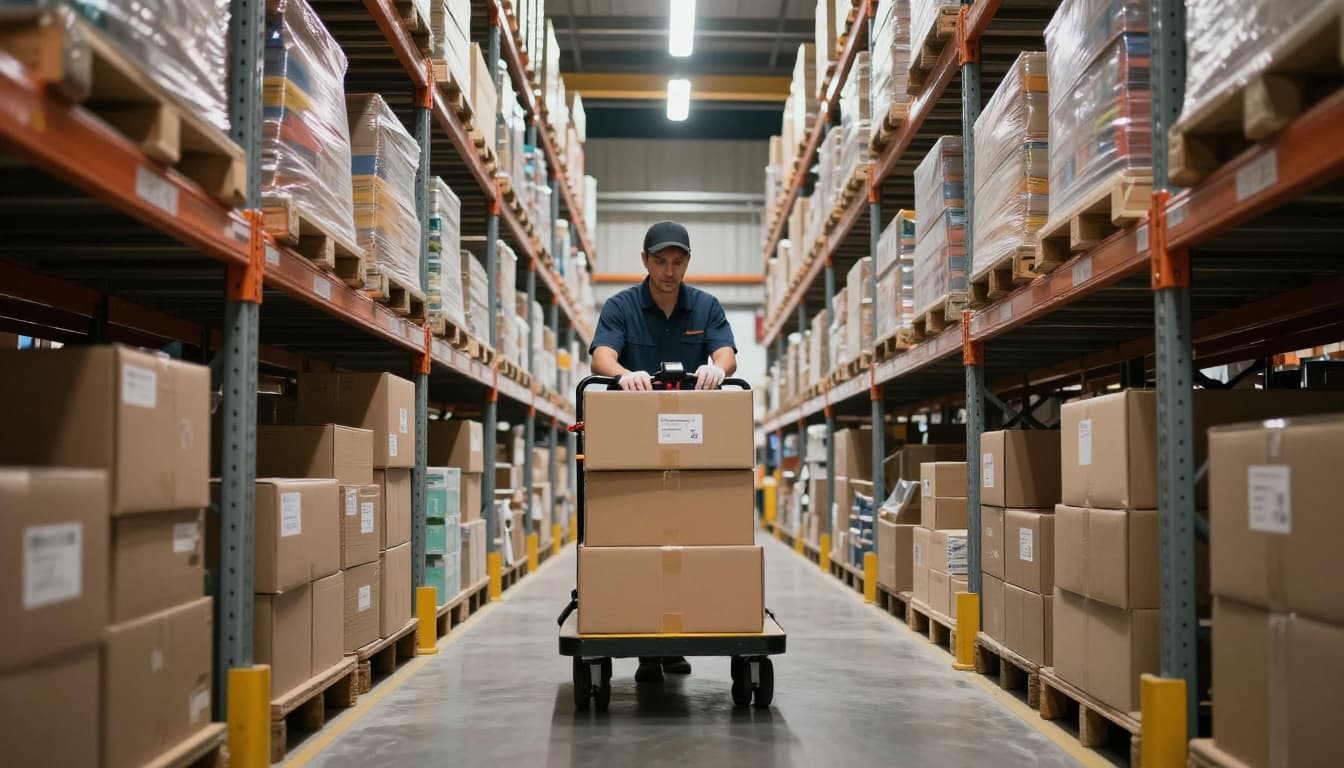
Pick orders with an efficient route Next, the warehouse creates pick lists, then sends people to the right locations. Many teams use batching, waves, and zones (more on that soon). Scanners, voice prompts, and light guides reduce “look at the label twice” habits.
-
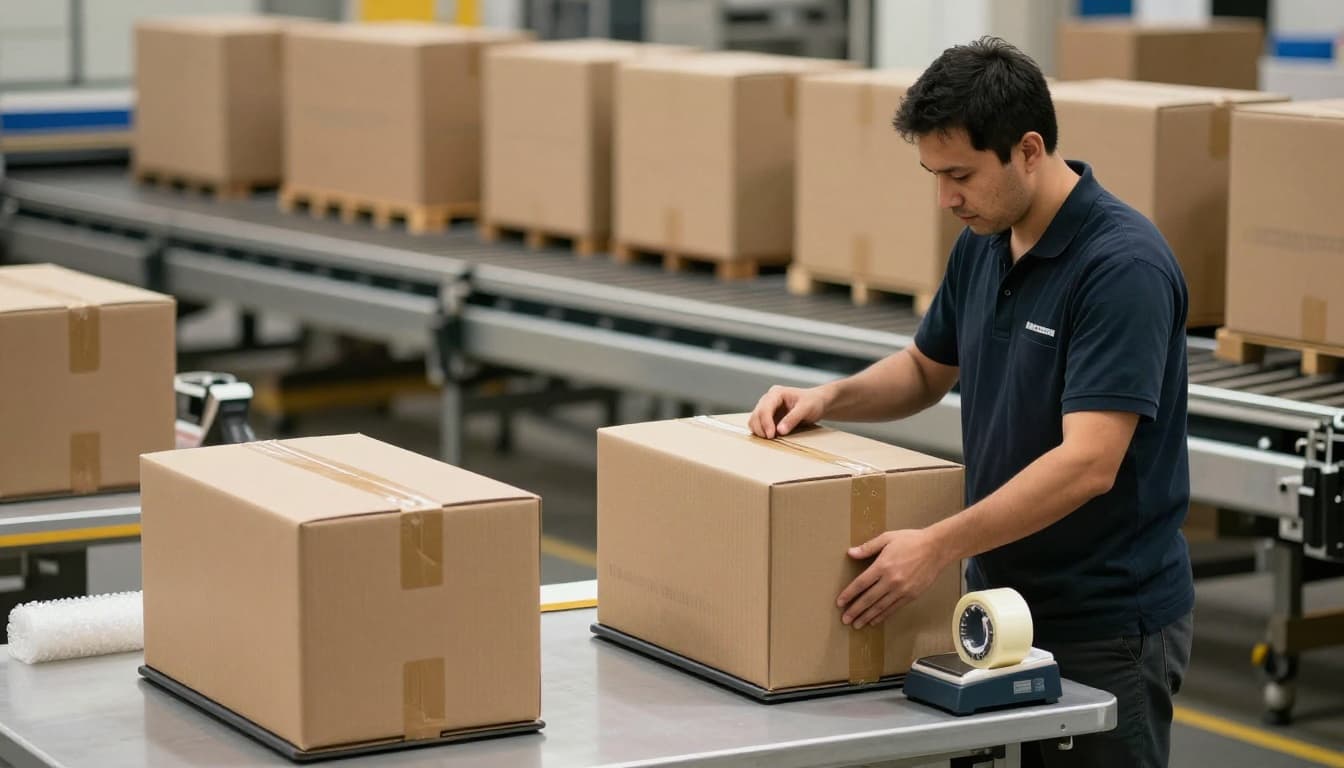
Pack at nearby stations with protection and rules Packing happens close to where items are picked. That reduces travel time and lowers error risk. Packers use boxes, inserts, void fill, tape, and sometimes scales. They also follow carrier rules for weight, dimensions, and special items (fragile, hazmat, or temperature-sensitive).
-
Label, stage, and do a final scan Each shipment gets a shipping label with tracking and return details. The warehouse then sorts packages by carrier, route, or delivery cut. A final scan updates inventory and confirms the right order left the building.
-
Ship via dedicated lanes or cross-docking Some items can skip long-term storage after receiving. For hot orders, warehouses use dedicated outbound lanes or cross-docking so goods move fast. That keeps “same day” possible during busy periods.
When the process is done well, fewer mistakes show up at the end. Also, shipping cycles tighten because the warehouse doesn’t wait for one bottleneck to clear.
Picking Orders: Batch, Wave, and Zone Methods Explained
Picking is often the biggest labor drain in a warehouse. It’s also where speed and accuracy rise or fall. So how do warehouses prevent pickers from zigzagging all day?
They use picking methods that control walking distance and timing.
Batch picking groups orders together so workers grab many items in one route. Instead of one trip per order, pickers complete a single path that covers multiple orders. It saves time, especially for high-quantity items.
Wave picking adds timing. The system groups orders by ship windows, like “leave by 2 p.m.” or “ship overnight.” Then it releases those waves in a planned order. This helps the warehouse match labor to carrier pickups. If one carrier has a tight cutoff, the wave can be built to protect that window.
Zone picking assigns areas to specific workers. One picker (or team) owns a zone. They complete all picks from their area, then pass goods along for packing. This cuts travel and helps reduce congestion in aisles.
Warehouses often pair these methods with tools that act like “route GPS.” Handheld scanners confirm the right SKU and location. Voice prompts can guide hands-free. Pick-to-light systems point to the exact spot.
For a deeper look at how warehouses compare these strategies, see Batch vs. Wave vs. Zone Picking Guide (2026).
During peak season, these methods also help teams stay calm. You don’t get the “everyone is doing everything” chaos. Instead, the system shapes the work so the floor keeps moving.
Packing Stations and Smart Protection Techniques
Packing stations are where careful work meets speed. If picking pulls items fast, packing makes sure they arrive safe.
Modern warehouses place packing near the shipping area. That cuts the time between pick and pack. It also makes it easier to stage shipments by carrier. If something looks off, packers can catch it right away.
At a good station, you’ll usually find:
- Boxes and sizes ready for common parcel types
- Fill materials like bubble wrap or void fill
- Tape and labels stocked in order
- Scales and measuring tools (when required)
- A simple flow for damaged items and rework
The goal is a fit that protects without wasting space. If a box is too big, items shift in transit. If it’s too small, labels may not scan correctly, or products may get crushed.
Also, packing stations follow carrier rules. For example, some carriers require specific packaging for certain weights and dimensions. Packers check carton count, label placement, and return info. When items are fragile, warehouses add clear handling cues and internal protection like corner guards or inserts.
If you want ideas on how to structure a station for e-commerce speed, read How to Set Up an Efficient Packing Station for eCommerce.
Smart protection is the quiet secret behind good reviews. Customers don’t remember “we shipped quickly.” They remember “it arrived intact.”
Tech Tools That Make Warehouse Operations Lightning Fast
People and process matter, but tech decides how consistent the results are.
In 2026, many warehouses rely on software and automation to cut errors and speed up throughput. Think of it like adding a GPS to a delivery route. Workers still drive. But they don’t rely on memory.
Common tools include:
- WMS (Warehouse Management System) for inventory visibility and work planning
- Barcode scanning for accurate location and SKU checks
- Automation like conveyors, sorters, and robotic carts
- Pick support like voice picking and pick-to-light
- Connected operations that sync packing and shipping updates
A well-run tech stack reduces “oops” moments. It also helps the warehouse handle spikes without hiring a full extra crew overnight.
Warehouse Management Systems: The Brain of the Operation
A WMS is the brain behind warehouse picking, packing, and shipping. It controls what gets picked, where it goes, and when it ships.
Here’s what a strong WMS typically does:
- Tracks real inventory in real time (not “we think it’s there”)
- Plans routes and optimized work for pickers
- Guides scanning to confirm correct locations
- Alerts on errors before packing completes
- Integrates with carriers so labels and tracking stay consistent
In other words, the system helps the warehouse run like it knows what’s happening right now. It can also plan waves and batches. Then it updates downstream steps so packing teams see the right orders at the right time.
If you want a practical checklist of WMS capabilities, this guide covers 15 Top Warehouse Management System Features for 2026.
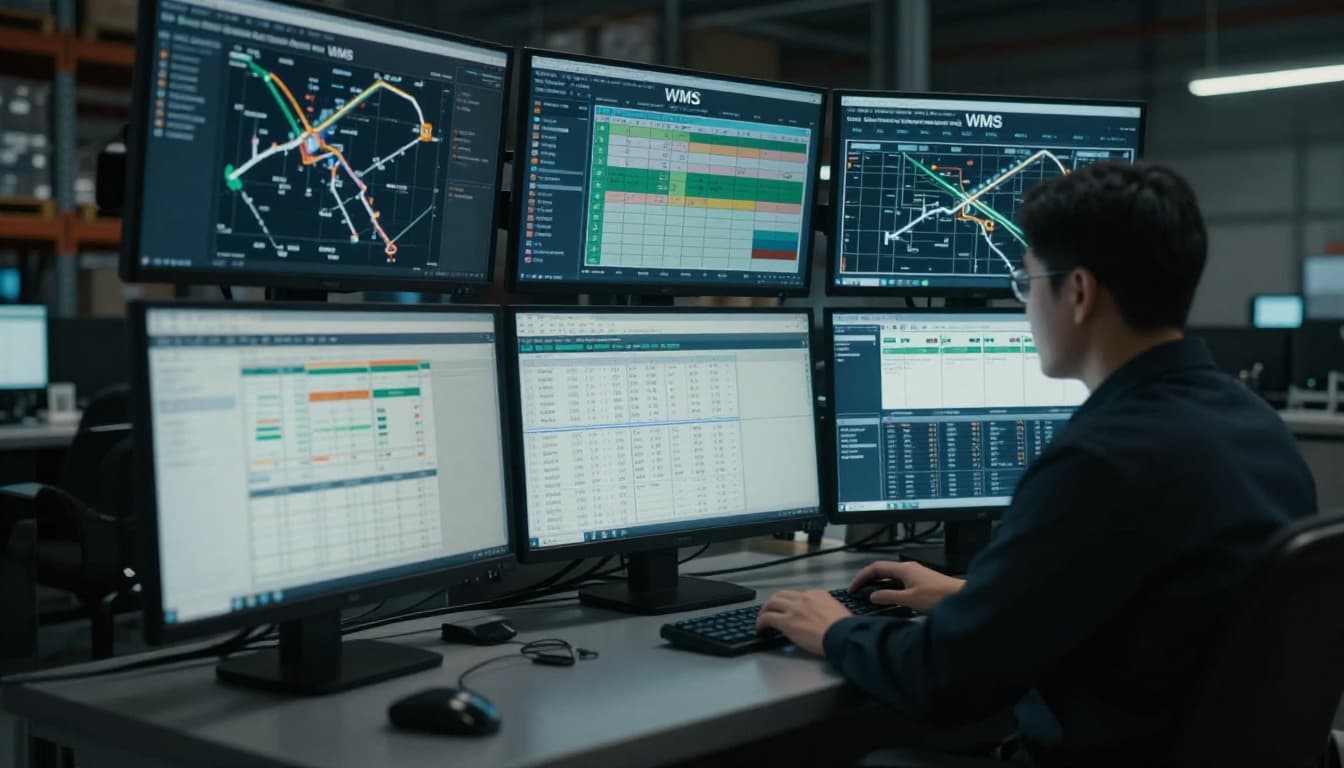
That real-time control matters most during peak demand. When orders surge, the WMS keeps priorities clear. It also helps reduce rework, which costs more than people think.
Robots and Automation Taking Over Repetitive Tasks
Automation helps warehouses move faster without burning out workers.
Robots can handle repetitive tasks like transporting totes, pallets, or cartons. This reduces long walking routes and lowers the strain from lifting and carrying. It also keeps goods moving when foot traffic gets crowded.
Common examples in many U.S. warehouses include:
- AGVs and robot carts moving loads through set paths
- Conveyors moving items from picking to packing
- Automated sorters directing parcels to the right outbound lane
- AS/RS systems (automated storage and retrieval) for putting items away and bringing them forward
In 2026, many operations focus on automating the “boring, repetitive middle.” That’s the work between receiving and packing. It’s also where delays often hide.
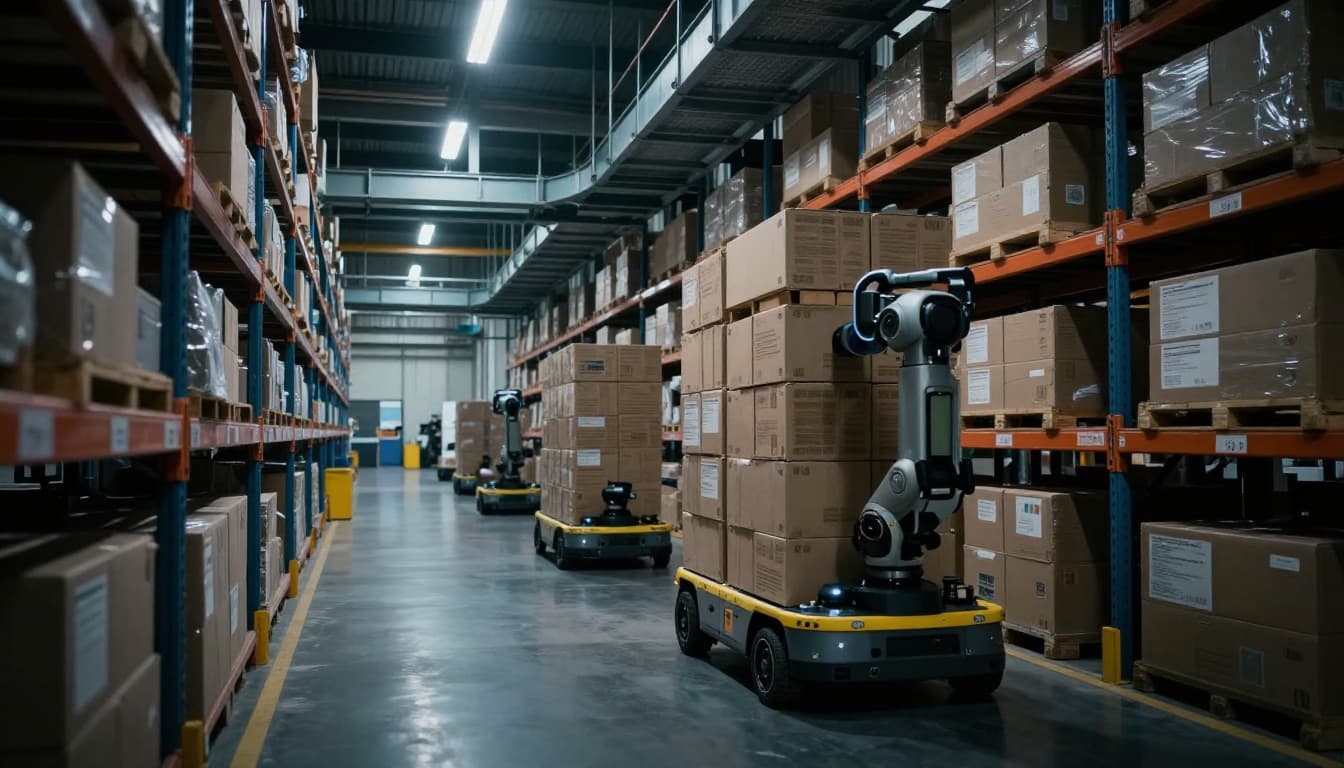
When automation runs well, it doesn’t just speed things up. It smooths operations. That means fewer missed scans, fewer misplaced cartons, and less “where is that tote?” time.
Best Practices, Common Challenges, and 2026 Trends to Know
Most warehouses want the same result: fast shipping with low cost and low damage. Still, the floor can get messy.
Here are the biggest best practices that keep packing and shipping steady.
First, use slotting. Place fast movers near packing and slower items farther away. Then use vertical storage to fit more inventory into less space. Heavy items should live low. Smaller, lighter items can go higher.
Next, focus on training and safety. Good ergonomics reduce injury risk. Workers should know that heavy items go at the right height. They also need simple rules for lifting and handling.
Finally, track the right KPIs. Pick speed alone can be misleading. Warehouses also measure errors, reprints, damage rates, and “time to ship.” When you track accuracy, teams stop rushing in the wrong way.
Challenges show up fast. Volume spikes create congestion. Manual steps can slip during busy hours. Labor fatigue slows packing and increases defects. And then there’s the cost tradeoff, speed costs money when you add overtime or rush shipping.
Modern warehouses handle these issues with WMS planning and smart automation. They also use better layout design and cleaner staging flows so outbound lanes don’t become parking lots.
For current automation direction, see 7 warehouse automation trends in 2026.
Top Strategies to Avoid Errors and Boost Speed
Speed isn’t useful if it creates returns and support tickets. So warehouses treat accuracy like speed’s best friend.
Start with smart slotting so pickers walk less. Short routes reduce time and lower wrong-item risk.
Then use scan discipline. Require scans at key points, like start-of-pick and confirm-at-pack. Scanning acts like a safety net.
Also, train workers on pack rules. Teach box sizing, protective inserts, label placement, and how to handle exceptions. When everyone follows the same rules, quality stays consistent.
Finally, use KPI feedback loops. If error rates rise on certain SKUs, investigate the storage location, pack configuration, or label design. Fix the cause, not just the symptom.
These steps work because they remove guesswork. And guesswork is where mistakes grow.
Navigating High-Volume Hurdles with Smart Fixes
During peaks, the warehouse faces three common pressure points: capacity, accuracy, and labor strain.
Capacity issues show up when the packing line can’t keep up with pick volume. The fix is usually planning and staging. A WMS can release waves at a pace pack stations can handle. Some warehouses add temporary packing lanes or adjust staffing schedules.
Pick errors often come from confusing layouts, similar-looking SKUs, or rushed routes. Solutions range from better labeling to redesigning slot positions. Some teams add scanning checks or pick-to-light to reduce “close enough” behavior.
Worker strain happens when lifting and walking load gets too high. Automation like conveyors and robot carts helps by moving goods. Ergonomic training helps by teaching safe lifting heights and handling methods.
The theme is simple. Warehouses win by finding the bottleneck and relieving it fast, without breaking the rest of the flow.
Hot Trends Reshaping Warehouses in 2026
Warehouses aren’t just speeding up one part of the process. They’re redesigning the whole chain to match customer expectations.
Expect more robot use for repeat tasks, especially for moving goods between zones. Many operations also aim for more personalized shipping speeds, where orders can choose economy or fast service based on rules.
Another trend is more flexible fulfillment networks, such as micro-fulfillment and regional stocking. This shortens last-mile distance. It also reduces how much the warehouse has to “push” to meet delivery dates.
Finally, warehouses increasingly focus on connected systems across software and automation. When the WMS, packing workflow, and outbound staging share the same real-time view, shipping stays predictable even when volume swings.
The result is calmer floors and faster delivery windows. That’s what customers actually feel.
Conclusion
When you click “buy now,” you’re watching the end of a process. Warehouses earn that speed through a tight warehouse packing process, from receiving and smart storage to picking, packing, and final scans.
Tech tools, especially WMS systems and automation, make outcomes consistent. They reduce errors and keep work flowing when orders surge.
Still, success depends on smart habits too, like slotting, scan discipline, and ergonomic training. In 2026, the winners keep improving while they adapt to new shipping expectations.
What part of packing and shipping do you want to tighten first, picking accuracy or time to ship?