
Black Friday and Cyber Monday can turn a calm warehouse into a sprint overnight. In 2025, US online sales peaked at $11.8 billion on Black Friday and $14.25 billion on Cyber Monday. Then came the rush, with Cyber Monday hitting about $16 million spent per minute during the busiest hours.
So what does “peak demand” mean inside a warehouse? It means orders arrive faster than normal. It also means more items get picked wrong, staged late, or shipped after the carrier cutoffs if teams aren’t ready. The good news is peak demand planning works. When warehouses adjust layout and picking paths, they can cut picker travel time by 20% to 70% (sometimes more).
The goal is simple: keep the flow moving while volume climbs. You do it with smart planning, layout changes, picking tricks, tech tools, and better staffing. This article covers those moves in plain language, with examples you can picture fast. By the end, you’ll have a clear checklist for getting your operation ready for the 2025-2026 holiday season.
Planning Ahead: Forecasting Demand and Stocking Up Smart
Peak demand starts long before the first order hits your systems. Most warehouse managers work backward from sales forecasts and carrier timelines. They also watch website traffic, ad schedules, and past season patterns. As a result, they can build the right inventory mix and avoid “we have the wrong stuff” problems.
One practical way to think about this: if picking is a marathon, planning is your training plan. Layout and stock placement decide how many steps each worker must take.
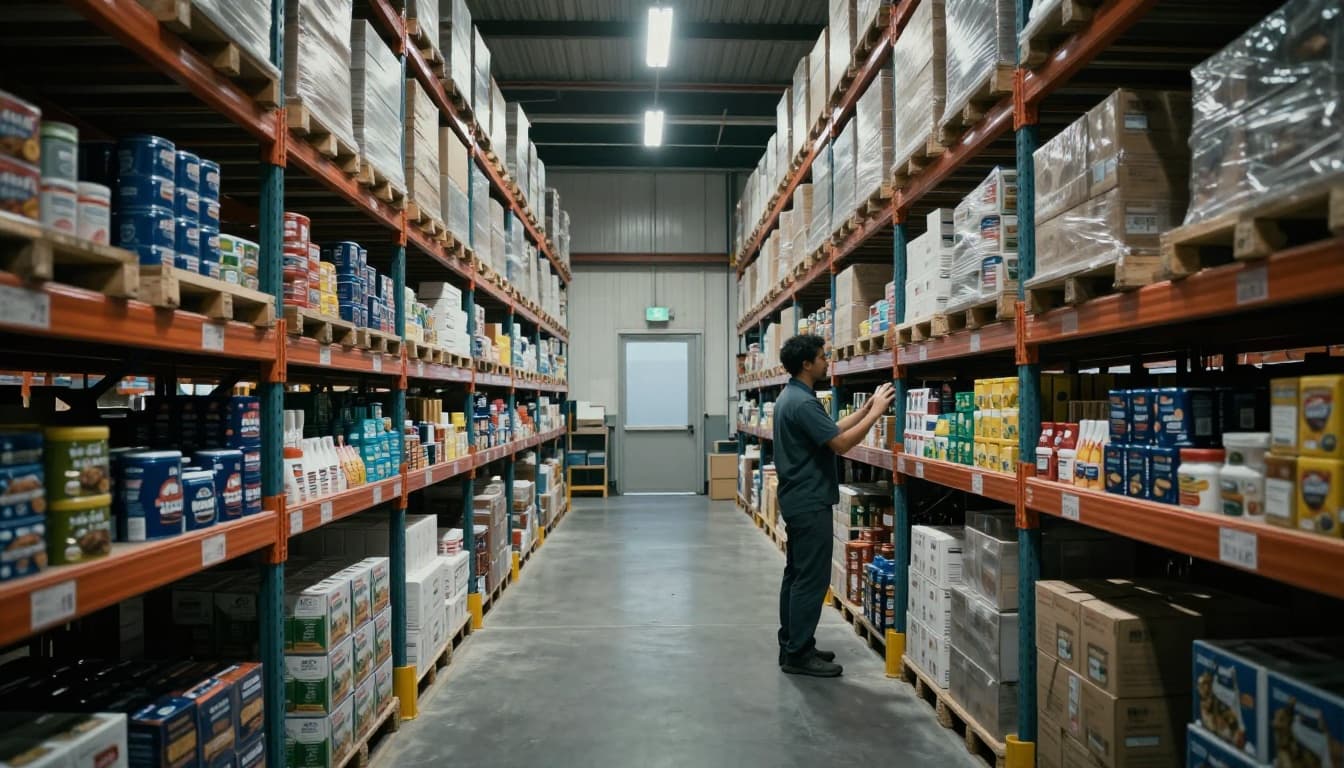
Before the rush, many teams run a “peak season prep” review. If you want a deeper look at common prep moves, this guide on preparing for warehouse peak season breaks down tasks like layout checks and labor planning.
Using Data to Nail Your Sales Predictions
Start with what you already know: last year’s orders, seasonal calendars, and product sell-through. Then add what you expect: promotions, email campaigns, and new SKUs. Even simple models help, as long as you update them often.
Many forecasting tools use machine learning over past orders and seasonality. That can help teams reduce forecast misses and build safety stock for top sellers without overbuying slow items. For example, if holiday toys sell out every November, you can plan extra inbound with long lead times. Meanwhile, you can clear slow movers earlier so space stays ready for hot products.
A big warning sign is “average order volume” thinking. Peak demand is spiky. So plan for the spikes, not just the average week.
Optimizing Slots and Space for Quick Access
Slotting is where many warehouses win fast. When fast items sit near packing stations (or near the doors for express orders), workers walk less and pick more lines per hour.
Good slotting often cuts picker travel by 60% to 75%, because travel eats so much of the shift. Warehouses also use zones, like a “golden zone” for A items and a separate area for seasonal goods that rotate in and out.
Some teams even test layout changes before they roll them out. Tools can simulate the new paths, so you don’t guess during peak season. If you want to understand the approach behind this, see warehouse slotting optimization.
Speeding Up the Floor: Picking, Packing, and Flow Tricks
When orders surge, the warehouse can’t rely on the “normal day” rules. You need faster batch movement, fewer back-and-forth walks, and tighter staging near packing.
The best improvements feel almost boring in the moment: set up express lanes, reduce aisle crossings, and run picking in groups. Still, these changes can move a lot of volume.

Even during holiday weeks, many operations target higher throughput, often reported as 15% to 60% gains. The path to those gains is consistency, not luck.
Batch and Wave Picking to Grab More in Less Time
Batch picking groups multiple orders so one trip collects items for many shipments. Wave picking sorts work into timed groups by zone, aisle, or order priority. Both methods reduce travel and speed up staging.
Here’s a simple comparison:
| Method | How it works | Best for peak season |
|---|---|---|
| Batch picking | One picker collects for multiple orders | High item overlap (gift sets, similar SKUs) |
| Wave picking | Orders get released in timed waves | Managing congestion and deadlines |
During Cyber Week, this matters because gift items often share the same popular locations. If you pick those items together, you cut wasted steps and lower mis-picks.
Cross-Docking and Staggered Shipments for Non-Stop Flow
Cross-docking skips long storage for some inbound lines. Instead of receiving, then storing, then picking later, you move product toward outbound quickly. That reduces touchpoints and keeps inventory from clogging the floor.
Staggered shipments help too. If three trucks arrive at once, docks, staging, and putaway can jam. So warehouses schedule inbound windows and coordinate carrier cutoffs. As a result, outbound packing stays fed, and forklifts don’t sit idle.
Think of it like train timing. If every train arrives at the same minute, the station turns into a bottleneck. If you spread arrivals, the whole system keeps moving.
Tech and Automation: Your Secret Weapons Against Overload
Tech doesn’t replace planning. But it helps you react when reality changes. Peak demand comes with surprises: a supplier delay, an item swap, or a sudden surge from a campaign.
Warehouse Management Systems (WMS) help teams track inventory and enforce picking rules. Some systems also support rules that prioritize what ships first. That means the “hot” work reaches the front line faster.
Automation also matters, especially when labor is tight. However, you don’t need a full remodel to see help. Small automation steps can reduce strain on picking and packing areas.

AI and WMS for Real-Time Smarts
AI can assist with planning and alerts. For example, some systems predict low stock or forecast bottlenecks based on daily order patterns. Other tools can support labor planning by forecasting headcount needs.
This connects directly to staffing and output. If WMS signals that a wave will overload an aisle, managers can adjust before the backlog grows.
If you want one example of how teams use forecasting for staffing, see AI-powered warehouse labor forecasting. The key idea is simple: forecast week by week, then schedule by shift.
Adding Automation Without a Huge Overhaul
Start with “bolt-on” upgrades that keep training simple. For instance, add automation around packing queues or use assistive tools for heavy items. Then expand only if the peak results hold up.
Robots and conveyors can help, but they also require process discipline. So peaks are the right time to test and tune. When you pick a small win first, you reduce risk and keep costs under control.
Staffing Smart: Hiring, Training, and Keeping Energy High
Peak demand is not only a volume problem. It’s a people problem. Too few workers mean late orders. Too much overtime means burnout and call-offs.
Good teams hire early and train for exceptions. They also stagger shifts and protect breaks. When people are fresh, they make fewer mistakes. And fewer mistakes means fewer re-picks.

Bringing in Temps and Training Them Fast
Temp hires can cover the peak, but only if onboarding doesn’t eat the first week. Teach them the top failure points: mis-reads, wrong staging, and label issues. Then give them a simple rule for “when unsure.”
For example, during holiday surges, gift bundles can confuse new pickers. So show them how bundles get staged for packing. That one lesson can prevent dozens of delays.
Also, schedule temps where the work matches their skill. Many warehouses get better results by mixing experienced pickers with fresh temps, instead of splitting teams evenly.
Using Forecasts to Reduce Chaos on the Floor
Once you forecast volume, you can forecast staffing needs. That reduces overtime spikes and keeps managers from reacting too late. It also helps you plan break timing and cross-training.
If you want a practical angle on capacity and staffing, check how AI workforce management improves capacity. The promise isn’t magic. It’s better timing, fewer surprises, and steadier output.
The biggest win is this: you stop treating peak demand like an emergency. You treat it like a schedule.
Conclusion: Start Months Ahead, Then Tune Everything
Black Friday and Cyber Monday don’t just add orders. They amplify every weakness in planning, layout, picking flow, and staffing.
If you want fewer fires, start early: forecast demand, build smart slots, and prepare inventory for the items that sell out first. Then run faster picking methods, reduce travel, and keep pack areas stocked. Finally, use WMS rules (and light automation) to adjust as reality changes, and staff with clear training and real schedules.
Now is the time to audit your plan for 2025-2026 peaks. Do a quick check of your top SKUs, slotting distances, inbound timing, and shift coverage. If you fix those now, your warehouse can hit peak demand with less stress and smoother throughput.