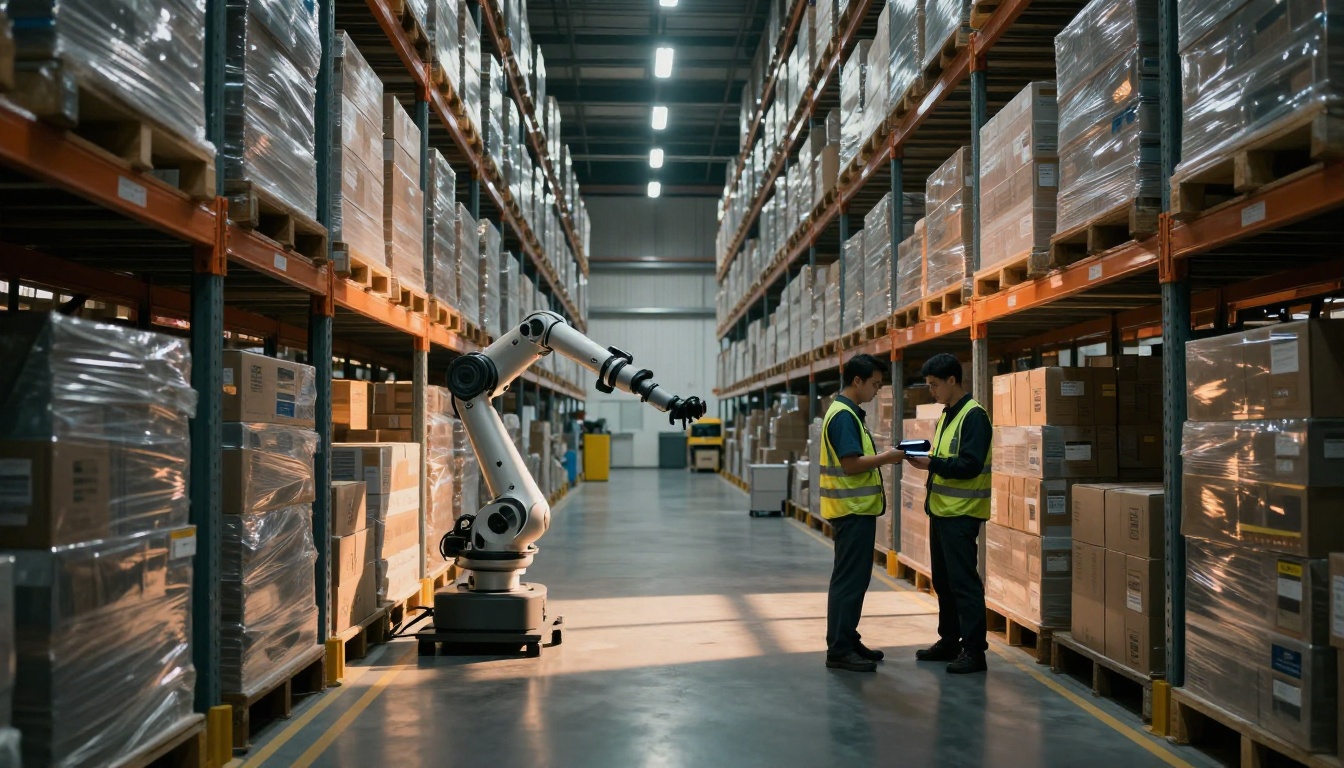
A single wrong item can turn a normal day into a mess. You ship the wrong SKU, the customer gets upset, and your team spends hours fixing it. That mistake hits profit fast, and it also damages trust.
In U.S. warehouses in 2026, order fulfillment error rates average around 1% for high-volume daily work. During busy e-commerce peaks, rates often rise to 2% to 5%. When errors drop from 2% to 5% down to under 1%, that can mean a 60% to 75% cut in mistakes, depending on where you start.
The good news is you don’t need magic. You need practical changes in layout, picking flow, tech checks, and hands-on training. Keep reading, because small steps can add up to big wins.
Set Up a Smarter Warehouse Layout to Stop Mix-Ups
Think about how errors happen. Most mix-ups start as a “where did I put that?” moment. Then fatigue, fast pace, and similar products finish the job.
A smarter layout reduces that chaos. First, you place items where people can grab them with less confusion. Next, you guide attention with labels, lighting, and clear paths. Finally, you design shelves so picks feel obvious, not guessy.
One proven method is ABC slotting, where you rank SKUs by sales speed and store fast movers near the work. If you want a deeper look at how slotting changes outcomes, see slotting with ABC analysis and heatmaps.
In many warehouses, workers also follow a “golden zone.” That’s the area at waist height (and close reach zones) where grabs are quick and accurate. If your top items sit too high or too low, workers stretch, re-grip, and make mistakes.
Here’s how the pieces fit together. You group SKUs into A, B, and C classes:
- A items: fast movers, high pick counts, high impact. Put them closest to packing stations.
- B items: medium movers. Place them in easy middle aisles.
- C items: slow movers. Store them farther back, where they don’t slow teams down.
Then you add visual aids:
- Floor markings that show routes and stop congestion.
- Color-coded aisle signs (one system, not five).
- Bright task lights so workers don’t squint.
- Clear bin labels and bin dividers when products look alike.
- See-through containers for small parts, so nothing hides.
These changes matter because they reduce walking and reduce “look-alike” errors. If two SKUs resemble each other, the shelf must do part of the thinking.
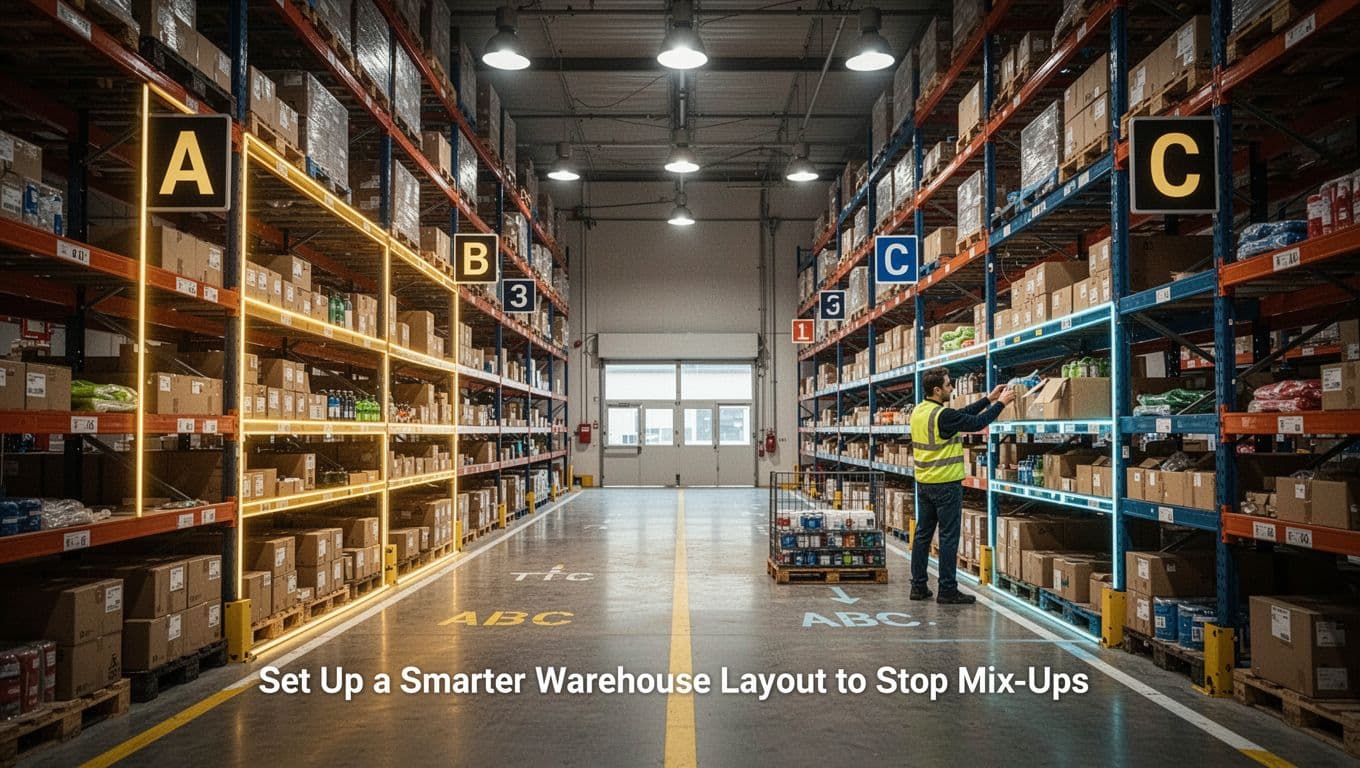
Even in 2026, a lot of fixes still come down to basic hygiene. Keep bins tidy. Use consistent placement rules. When bins are messy, the layout can’t protect accuracy.
Use ABC Analysis to Place Items Wisely
ABC analysis sounds simple because it is. You just need accurate data and a clean process for updates.
Start with sales history or pick counts. Then sort SKUs by how often they move. From there, you assign:
- A for the fastest movers
- B for the middle range
- C for slower movers
If you want a clear definition and a practical way to rank SKUs, check ABC analysis for inventory management. That framework helps you connect value to storage choices.
Next, match placement to the order of work. Picks usually happen before packing and shipping. So store A items near the pick staging area and packing stations. If your packing team works at the front of the building, move top movers toward that side.
Then handle one more real-world detail. Some warehouses also place high-volume SKUs near shipping lanes. That shortens the “final minutes” rush, when mistakes tend to spike.
Finally, review ABC classes on a schedule. Demand shifts. Seasonality changes. If you never re-check, your layout becomes a museum display instead of an accuracy tool.
A solid ABC slotting setup helps cut errors because it groups the work. When the most common items stay close and easy to see, workers spend less time scanning labels and more time picking correctly.
Add Visual Cues and Lighting for Easy Finds
A warehouse layout is like a map. If the map looks messy, people will improvise. Improvising creates errors.
Visual cues reduce those improvises. They make the correct location feel like the only option.
Start with lighting. Good lights prevent eye strain and late-day mistakes. Use consistent brightness across aisles where picking happens. Then add cues at the exact moment of decision:
- Color-coded aisle zones that match bin labels.
- Glowing or bright location markers (even simple, consistent light cues).
- Dividers inside bins for similar sizes and shapes.
- Separate shelves for “look-alike” SKUs.
Also, avoid clutter near pick points. If workers set empty cartons or mixed items on the same surface, it breaks the visual signal. Keep staging areas clean so the brain can stay on task.
In 2026, one small upgrade keeps showing up: see-through containers for small parts. When workers can confirm at a glance, they don’t have to dig and guess. That cuts mispicks caused by partial views or wrong quantities.
Here’s a fast example. Suppose two products share a similar label and sit in the same bin type. If you add a divider and a clear color cue per SKU family, the worker can spot the correct one in seconds. No backtracking. No “close enough” picks.
In other words, your warehouse becomes less like a scavenger hunt. It becomes more like a guided route.
Switch to Picking Methods That Slash Travel and Errors
Even with a great layout, workers still move fast. That’s normal in fulfillment. But fast walking creates collisions, time pressure, and missed steps.
That’s why picking method matters. The wrong method can force crisscrossing and overloaded handoffs. The right method keeps the work calm and predictable.
Three common approaches help reduce travel and errors:
- Batch picking (pick multiple orders at once)
- Zone picking (assign workers to warehouse areas)
- Wave picking (schedule groups of orders by time)
A simple truth drives this: single-order picking makes people bounce between locations. That increases walking and increases the chance of picking the wrong location.
In contrast, methods that group work reduce those risks. They also smooth labor. Fewer rush moments means fewer skipped checks.
If you want context on how these methods impact throughput, see batch, wave, zone methods for fulfillment. It breaks down how travel time affects cost per order.
A quick comparison can help you decide what to test first.
| Picking approach | Best fit | Main error reducer | Common tradeoff |
|---|---|---|---|
| Batch | High volume, similar SKUs | Fewer trips, fewer wrong locations | More items in one cart |
| Zone | Teams with steady coverage | Limits confusion within assigned areas | Requires good handoffs |
| Wave | Time-based shipping needs | Predictable flow, less rush | Setup takes planning |
The best results usually come from pairing the method with your layout. When A items are near pack, batch and wave both work better.
Batch Picking: Grab Items for Multiple Orders at Once
Batch picking means your team picks the same or similar items for multiple orders in one trip. Instead of grabbing one order at a time, workers build a cart that supports multiple shipments.
The basic flow looks like this:
- Combine orders that share pick locations.
- Pick one trip across the relevant aisles.
- Sort items into order-specific containers near packing.
Batch picking helps with errors in two ways. First, it reduces back-and-forth between aisles. Second, it reduces “wrong cart, wrong order” mistakes by keeping work grouped.
It also reduces fatigue. Fewer trips means less time in the pick path. Fatigue often shows up as rushed labeling and skipped scans.
Here’s a good mental model. If picking is like cooking, batch picking is meal prep. You do repeated tasks faster, with fewer mistakes from constant switching.
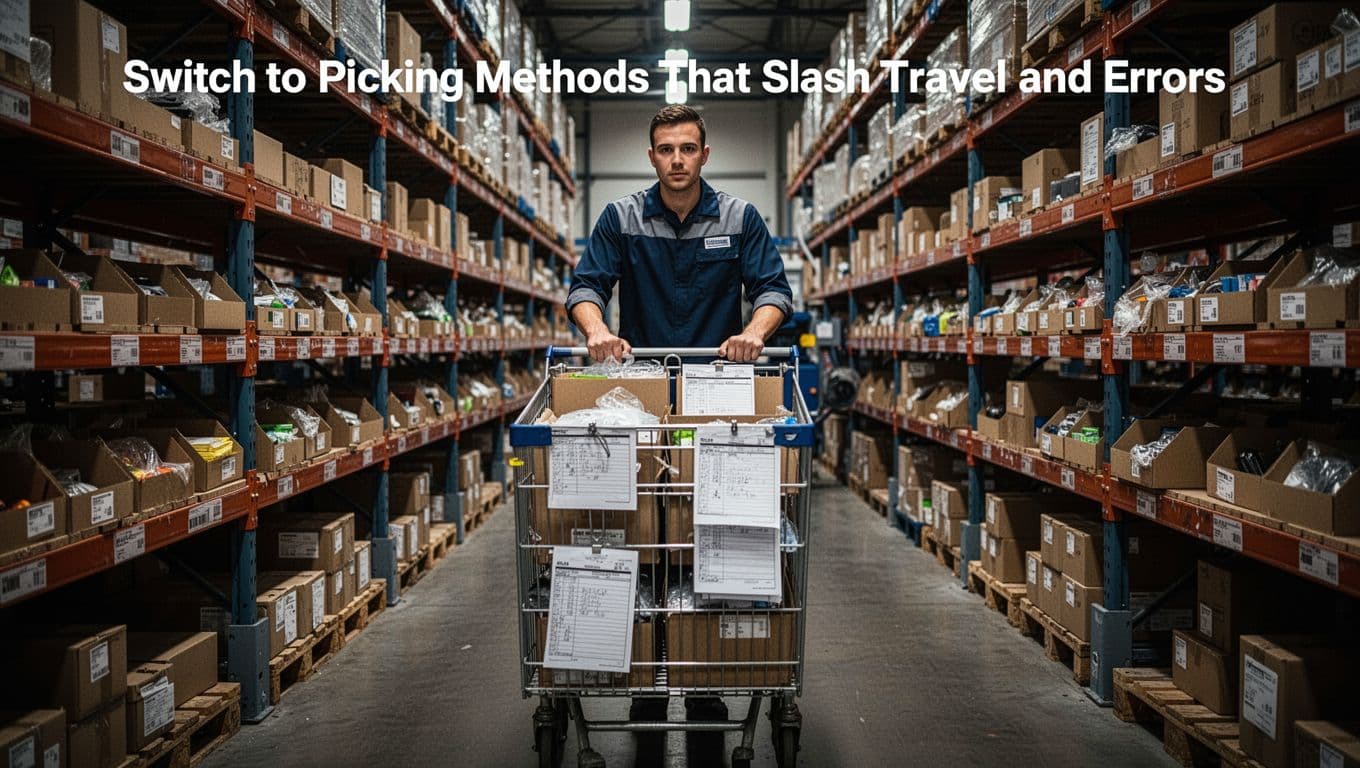
That cart half-filled with picked items is the key. It reduces the chaos of “one order at a time” when demand spikes.
Batch works best when your catalog has overlapping demand patterns. If orders are too random, batch becomes clutter. In that case, zone or wave picking may fit better.
Zone and Wave Picking for Team Efficiency
Zone picking divides the warehouse into sections. Each worker or team owns an area. That means fewer location searches and less time spent planning in the moment.
With zone picking, you also reduce confusion from aisle changes. Workers learn their area like a routine. They stop relearning routes each shift.
Then wave picking adds time structure. Instead of picking whenever orders arrive, you create waves tied to packing and carrier cutoffs. So orders move through the building in controlled groups.
Consider an example. Your carrier cutoff is 5:00 p.m. You might run:
- A morning wave for urgent orders
- A midday wave for standard e-commerce
- A late wave for remaining picks
That structure reduces overload errors. It also helps teams avoid the “everyone rushes at once” problem. When too many orders pile up, people skip steps to catch up.
Zone and wave picking also work well together. Zones keep accuracy stable. Waves keep pace stable.
If your warehouse has labor variability, these methods help. They turn a chaotic shift into a predictable flow.
Bring in Tech Tools That Guide Picks Perfectly
Tech doesn’t replace good layout and good training. However, tech does act like a second set of eyes.
In 2026, the biggest gains usually come from tools that verify location and quantity during picking. Not after shipping.
That’s where error reduction starts to feel dramatic. Real-time checks stop mistakes at the source.
Here are the tools to consider, in plain language:
- Barcode scanners or RFID linked to your WMS. Workers scan the item and system verifies it matches the order.
- Pick-to-light shelves. Lights show the exact bin and quantity trigger. A confirmation button locks in the pick.
- Voice picking with headsets. The system tells the worker what to pick, so hands stay free.
- RF scanning with handhelds or indoor positioning. It helps teams find the correct location in complex layouts.
- Robots and automation like AMRs (autonomous mobile robots) and ASRS (auto storage and retrieval). Robots fetch shelves or store items automatically.
For example, robotics updates in 2026 keep pushing into practical accuracy use cases. Some warehouses start with partial automation and grow from there. If you want to see how a grid-based system is positioned for high-throughput work, check Gridpicker fulfillment automation.
The key theme is verification. When tech checks location and quantity, errors drop because guesswork disappears.
Scanners and Lights That Confirm Every Step
Barcode scanning is the basic “do not ship the wrong thing” tool. A worker scans the item, then the system confirms it belongs to that order.
Pick-to-light takes it further. The shelf lights up to show the exact bin. Then the picker confirms the action.
This combo reduces errors because:
- Workers don’t rely on memory.
- Similar SKUs get fewer “almost right” picks.
- Missed steps become visible fast.
Also, scanners help prevent wrong quantity errors. Many systems require a scan at pick, and then another step at pack. That catches “partial grabs” and mislabeled counts.
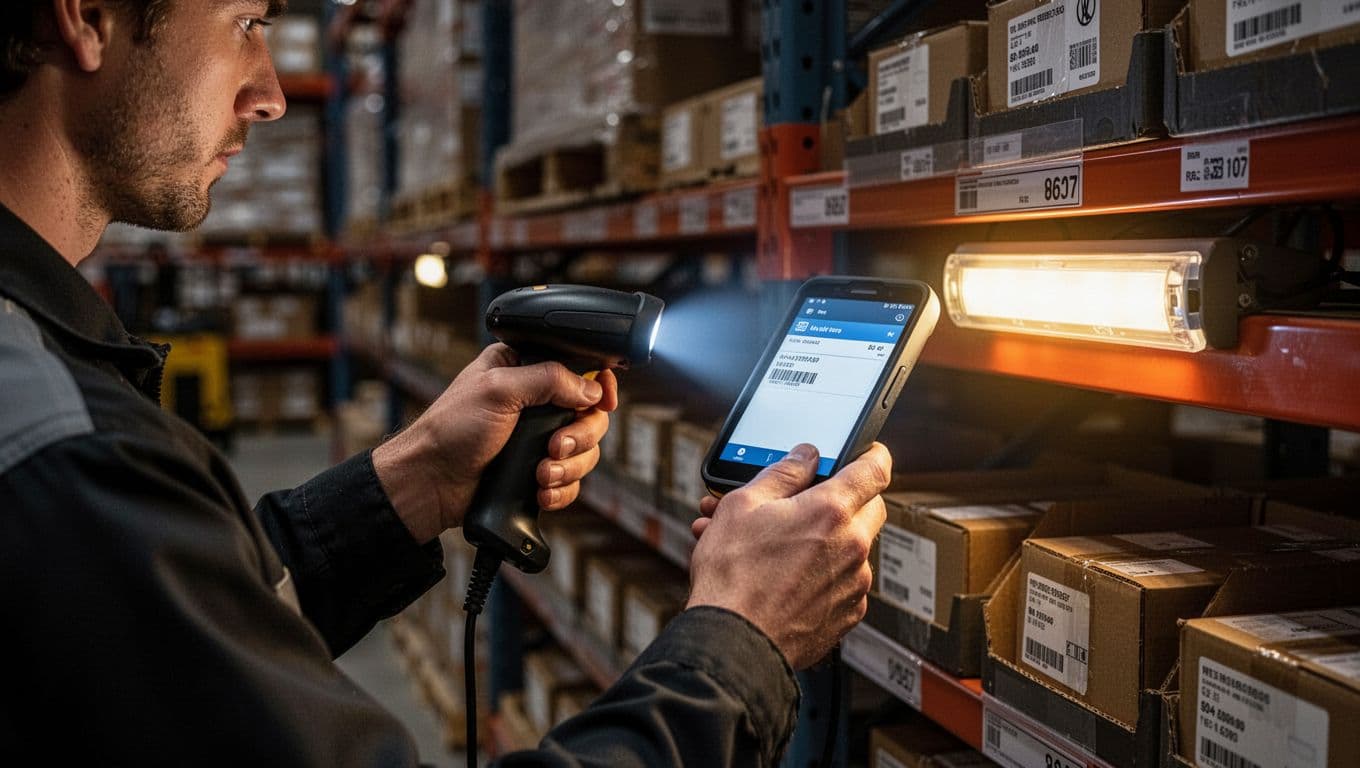
Pick-to-light reduces time too. Workers stop searching for labels. Instead, they follow a light signal. In 2026, some operations report big reductions in both picking time and mispicks in busy zones.
One caution matters. Tech works best when labels and item data stay clean. If your SKU barcodes are wrong, scanning just gives fast proof of a bigger issue. Keep master data tight.
Voice Directions and Smart Robots for Precision
Voice picking keeps the worker’s hands and eyes focused. The headset directs the exact pick. That reduces paper handling and reduces the chance of mixing up lists.
A typical voice step might sound like: “Pick 2 from bin 5A.” Workers don’t have to look up order screens. They follow spoken directions and confirm at the next step.
Robots take this verification to another level. AMRs can bring items to staging points, which reduces long walks. ASRS systems can store and retrieve items automatically, which limits human shelf errors.
The real value comes from reducing variability. Humans get tired. Robots don’t. So robots become a steady force during peaks.
In 2026, many warehouses plan automation in stages. They start with scanning and pick-to-light. Then, they add robots in the areas with the worst error rates or the longest travel paths.
That approach keeps costs controlled. It also makes results measurable.
No matter the tech, the goal stays the same. Guide the hands, confirm the pick, and stop mistakes before shipping.
Train Workers and Add Checks to Catch Issues Early
Machines help. But people run the process. So training needs to be more than a one-time video.
In 2026, the warehouses with the best results run training as a repeatable path. They show the system, coach the first picks, then tighten performance with reviews.
Training reduces errors because it fixes the small bad habits that sneak in:
- skipping scans when busy
- mixing up labels in crowded bins
- forgetting quantity rules
- packing the right item into the wrong order box
Also, incentives help. Teams respond to clear goals and clear feedback. When people see progress, they stay careful longer.
Next, checks matter. Think of checks as gates. Each gate catches a different type of mistake.
A common best practice is multi-step verification:
- Scan or confirm at pick.
- Scan again during pack.
- Final check before ship, like weight or carton match.
If you want an external reference for this error-reduction focus, see prevent picking errors in a warehouse.
The best warehouses use WMS data for monthly error reviews. They don’t just count mistakes. They find the root cause and update training or layout.
Step-by-Step Training That Builds Confidence
Good training is simple. It makes tasks feel normal.
A strong plan for new hires looks like this:
- Watch a demo pick first.
- Practice with a coach while the system guides.
- Do solo picks, but with quick feedback on mistakes.
- Review metrics after a full shift.
Then keep training alive. Run short team huddles on common slips. For example, if most errors come from similar SKU locations, train directly on that shelf group.
Rotate tasks when possible. Repetition builds skill, but only if workers stay fresh. If your warehouse allows, avoid the same harsh route for every shift. Fatigue drives careless picks.
Finally, teach “stop rules.” Workers must know when to pause and ask for help. If scanning fails, don’t guess. If a bin looks wrong, don’t move on.
Confidence comes from fewer surprises and clearer rules.
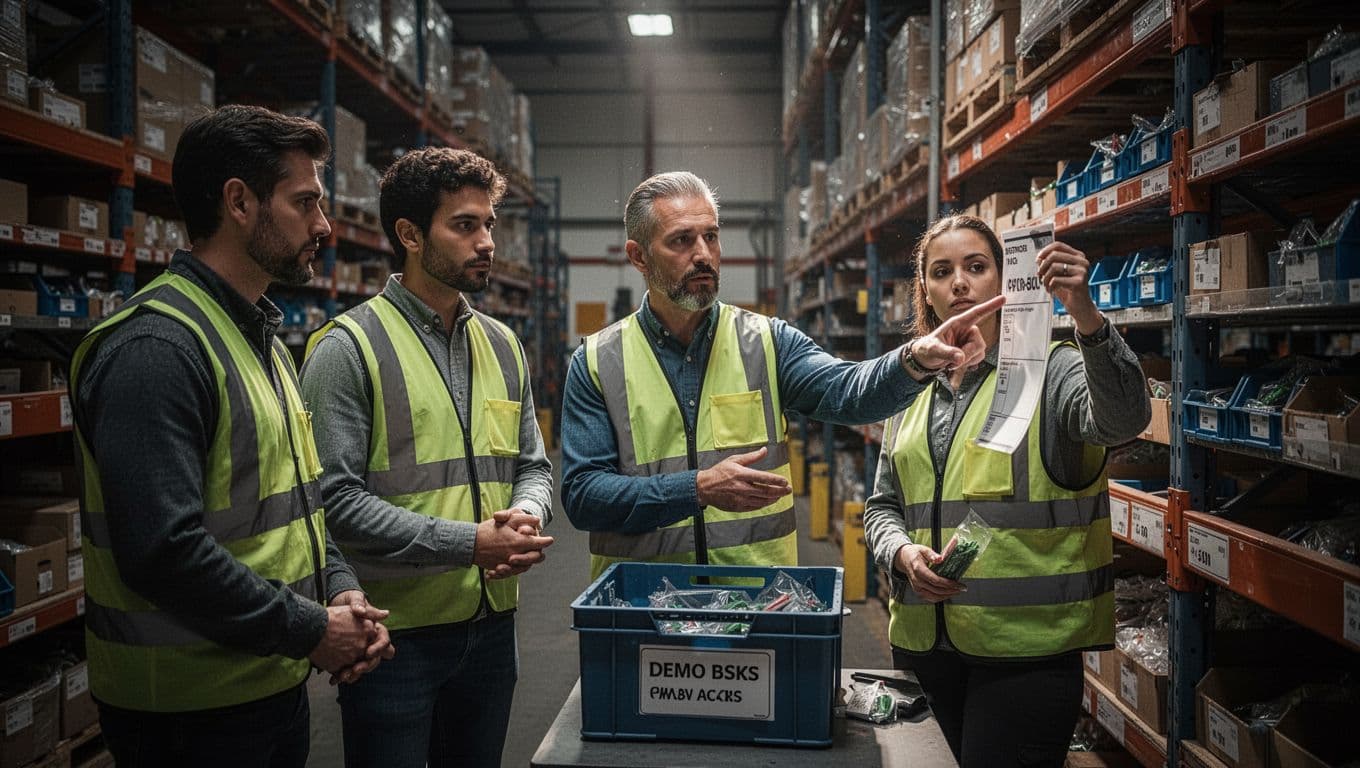
Multiple Checks and Rewards Keep Accuracy High
Checks keep errors from slipping through. Rewards keep the behavior going.
Start with the check points. Your goal is simple: confirm the right item at the right place, then confirm the right order before shipping.
Scanning at pick is a must. Then, add a pack step scan. If you only scan once, errors still sneak in during the last handoff.
Weighing boxes can catch hidden errors. If an order’s weight doesn’t match the expected range, you get a warning. That catches missing items or extra items.
For rewards, make them fair and clear. Many teams use shout-outs for perfect shifts. Some add small bonuses for error-free days. Either way, connect rewards to the exact actions that reduce mistakes, not just speed.
Then review patterns. Use your WMS to spot where errors happen most. Maybe it’s one aisle. Maybe it’s one SKU family. Fix that location with layout tweaks, label changes, or lighting, then train again on the updated process.
The big win is consistency. Humans plus process plus tech checks beat luck every time.
Conclusion
Fixing order errors isn’t one big project. It’s a chain of improvements, starting with where items sit and how workers move.
When you set up smarter layout, switch to picking methods that reduce travel, add tech checks like scans and pick-to-light, and train people with clear routines, you can cut mistakes dramatically. In 2026 benchmarks, moving from peak error rates down under 1% can mean a 60% to 75% drop for many operations.
Start small this week. Audit your top error locations, tighten your picks with scans, and track results in your WMS.
If you could remove one source of mix-ups tomorrow, what would it be, the layout, the picking method, or the final checks?