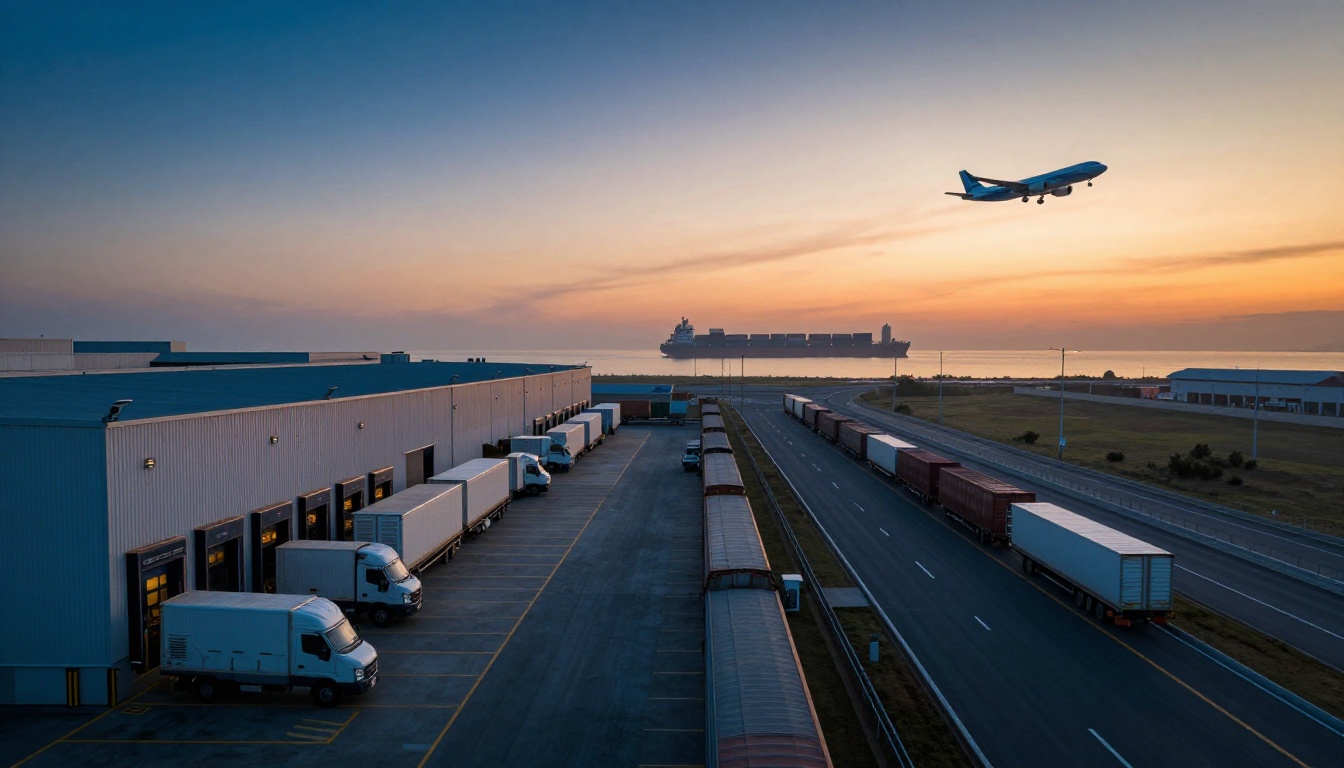
Online shopping moves fast, and your customers expect it. Behind the scenes, warehouse-to-door delivery depends on one thing: smart connections to every mode of transport that carries freight onward.
A warehouse can be “perfect” inside, but if trucks, trains, ships, and planes can’t reach it easily, delays pile up. That can mean longer wait times, higher fuel use, and more costly last-minute rebooking.
So how do warehouses actually connect to transportation systems? It starts with physical setup, like the placement of docks, rail sidings, and port access. Then it continues with tech that shares data across the supply chain, from scheduling to tracking. Along the way, you run into real-world problems such as space limits and demand swings, but there are practical fixes.
In the end, these links help businesses move freight faster and cheaper, while also improving service quality. Next, let’s break down the physical ways warehouses tie into roads, rails, ports, and airports.
Physical Links: How Warehouses Connect to Roads, Rails, Ports, and Airports
Think of a warehouse as a hub in a network. Goods enter, get sorted, then exit to the next stop. The “hubs” only work well when transportation routes can reach them without drama.
That’s why location and infrastructure matter so much. Many warehouses sit near major highway corridors for truck access. Others are built close to rail intermodal terminals so containers and pallets can move directly to trains. Port-adjacent sites reduce the time between ocean arrival and inland distribution. For urgent shipments, airport proximity helps cargo transfer quickly to planes and onward carriers.
When businesses plan this well, they can consolidate freight and reduce unnecessary moves. Instead of storing goods for long periods, they can receive inventory, re-sort it, and ship it out quickly. In logistics terms, that often means more cross-docking and less idle inventory time.
One reason location strategy is discussed so often is that small distance changes can create big cost differences. If a site is closer to key routes, every outbound trip is shorter. Fuel burns less, driver time drops, and dock scheduling gets easier. You can see how companies approach this planning in guides like warehouse location strategy in the USA.
A simple way to picture the tradeoffs is by transport mode:
| Transport link | Typical warehouse setup | Best for | Common benefit |
|---|---|---|---|
| Truck | Highway access, multiple docks | Mixed loads, flexible schedules | Faster pickup and delivery |
| Rail | Nearby tracks or intermodal access | Bulk, long-haul freight | Lower cost per mile |
| Ocean/port | Terminal proximity, container handling | International imports and exports | Shorter turnaround to inland |
| Air | Airport-area facilities, quick transfer | Time-sensitive, high value | Most urgent deliveries |
For a broader view of how these nodes fit together, logistics hubs and their role in the supply chain explains why transportation and warehousing cluster around major routes.
The best physical connection isn’t just “nearby.” It’s nearby with enough capacity to handle peak demand.
Road Access for Trucks: Docks, Ramps, and Highway Spots
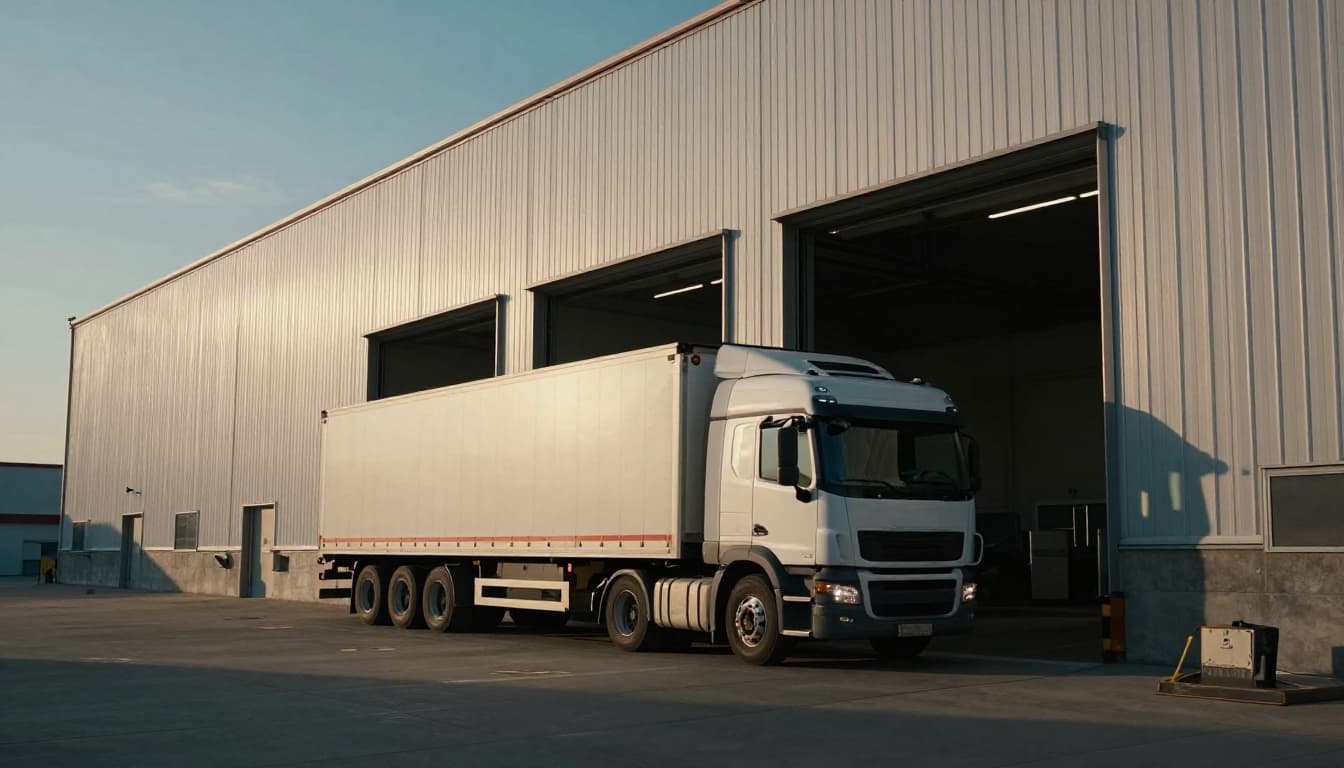
Most warehouses connect to roads first, because trucks run the last mile and move a lot of daily volume. Practical road access means more than a nearby highway exit. It usually includes truck-friendly entrances, enough turning radius, and room for staging.
Inside, loading docks matter just as much. Truck bays allow consistent backing and quick door alignment. Ramp design helps when trailers need smooth height transitions. When warehouses plan dock doors by shipment type, they reduce bottlenecks during peak waves.
Cross-docking also fits the road connection. In a cross-dock flow, freight arrives, gets sorted by outbound lane, then leaves quickly. That reduces storage time and frees up rack space for what truly needs to wait.
Here’s what this looks like in real operations, where trucks hit the dock and move through fast.
Rail Connections: Siding Tracks Right at the Door
Rail can feel harder than roads, but it works brilliantly for the right product mix. A warehouse connects to rail through a nearby line, an intermodal yard, or a direct siding. Some facilities place loading zones close to rail spurs so trains can pick up and drop loads with fewer inland handoffs.
Rail siding placement helps when you ship bulk items or move long-distance freight. It also supports container flows, especially when warehouses coordinate with intermodal terminals.
Capacity is the key challenge. Trains move in schedules and blocks. If the warehouse and rail connection don’t handle volume during peak periods, freight may wait longer than expected. That’s why expansions and track improvements show up in many rail-adjacent projects.
If you want a data-focused look at how rail and road connect in practice, the U.S. Department of Transportation publishes resources like Rail & Road Connections – BTS Data Inventory.
Sea and Port Ties: Fast Container Handling
Port-linked warehousing is built for the reality of ocean schedules. Ships don’t arrive on demand. So warehouses near ports plan for bursts, then fast inland movement.
One common setup is cross-docking for containers and trailer loads. Instead of storing goods for long periods, the warehouse receives freight, sorts it, and moves it quickly to outbound lanes. That cuts down the time containers sit after discharge.
Port-adjacent locations also matter for labor and equipment efficiency. Handling containers takes cranes and specialized practices. When a warehouse is close enough to the terminal, it can reduce transfer delays between ship unloading and inland distribution.
In the U.S., port improvements often aim to keep cargo moving and reduce congestion. For an example of the kinds of projects that affect throughput, see Ports in Motion: 11 Infrastructure Projects Shaping U.S. Supply Chains.
Air Cargo Links: Proximity to Airports for Urgent Shipments
Air freight tends to cost more, so warehouses that support it usually target high value or time-sensitive cargo. That might include medical supplies, replacement parts, or shipments that must arrive before a hard deadline.
Proximity helps because air cargo still needs ground handling. Cargo moves from terminal to warehouse staging, then to trucking routes or direct onward flights. If the warehouse is far from the airport, transfer delays can erase the speed advantage.
Airport-area facilities also support strict security and process controls. That means schedules, receiving rules, and documentation workflows must connect tightly with carrier operations.
Still, air links aren’t only about distance. They also depend on how fast you can move freight through your dock gates. When turnaround times improve, the whole air-to-ground chain gets more reliable.
Tech Tools That Sync Warehouses with Transport Networks
Physical connections get freight through the door. Tech tools decide how smoothly it flows next.
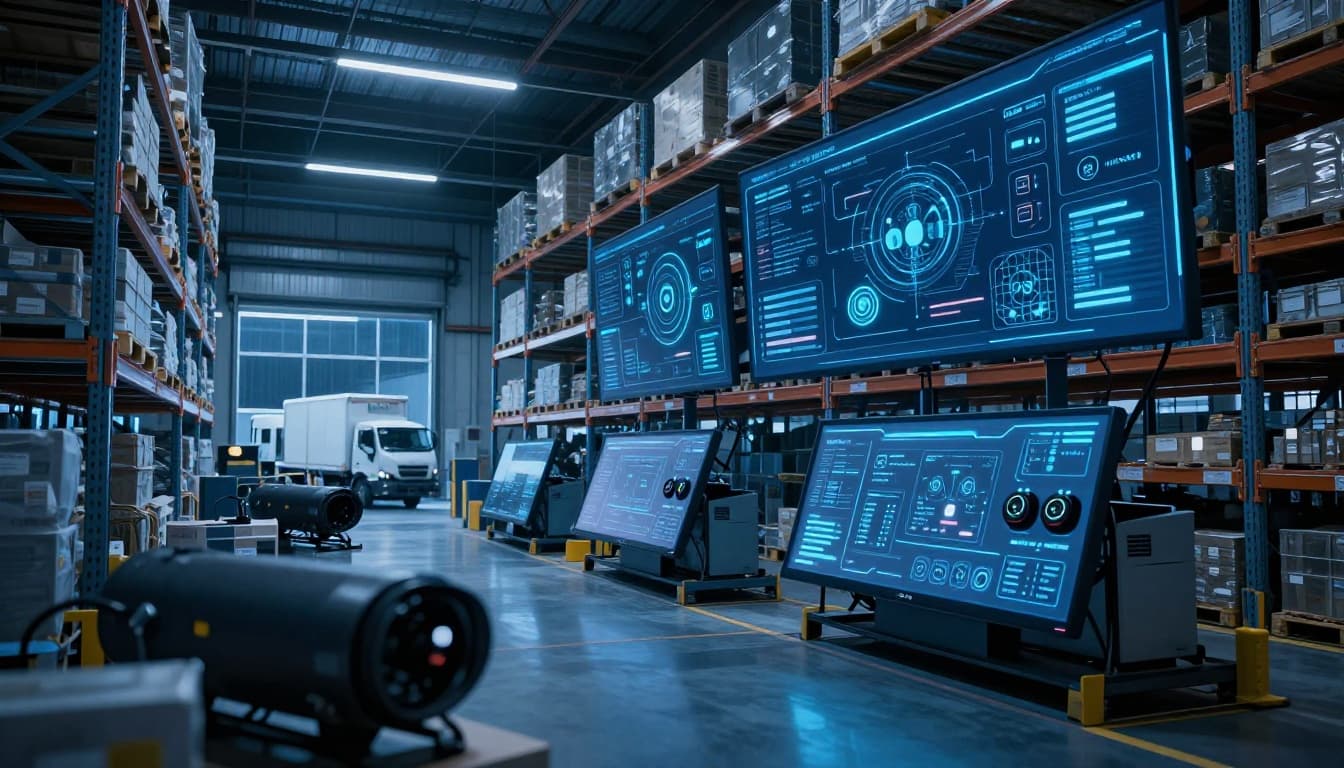
Modern warehouses use software to coordinate inventory, labor, docks, and shipments. Then they share that information with transportation partners. When those systems work together, teams stop guessing. They see what’s arriving, where it is, and what’s leaving next.
Real-time visibility matters because transportation is full of variable events. A traffic delay, a temperature excursion, or a rerouted truck can disrupt a whole plan. With the right tech, those disruptions are seen early, so the warehouse can adjust dock schedules and picking waves.
Here are the most common tech connections you’ll see in practice:
- Shipment tracking and appointment scheduling tied to dock plans
- Inventory status updates that match what the carrier expects
- Route and capacity decisions that reflect current warehouse throughput
- Exception alerts when something doesn’t match the plan
Automation systems add more speed once goods hit the facility. But the foundation is data sharing between warehouse and transportation planning.
Warehouse and Transport Management Software
Most warehouses use a WMS (Warehouse Management System) to manage inventory and picking steps. Then they use a TMS (Transportation Management System) to plan routes, choose carriers, and track shipments.
The magic happens when these systems connect. With a tight WMS and TMS link, the warehouse can plan what’s going out based on real inventory status. Meanwhile, transportation planning can account for dock availability and appointment windows.
If you want a clearer explanation of how that integration works, this guide to WMS TMS integration covers common patterns and why accuracy matters.
In everyday terms, integration cuts down “handoff gaps.” It helps prevent cases where dispatch schedules freight based on old inventory counts. It also reduces errors like missing labels, wrong lanes, or pick delays that miss pickup windows.
Automation: Robots, Conveyors, and Auto Storage
Automation is another big connection point between warehouses and transport networks. When goods move faster inside the facility, outbound trucks get loaded sooner. That lowers waiting time at the gate.
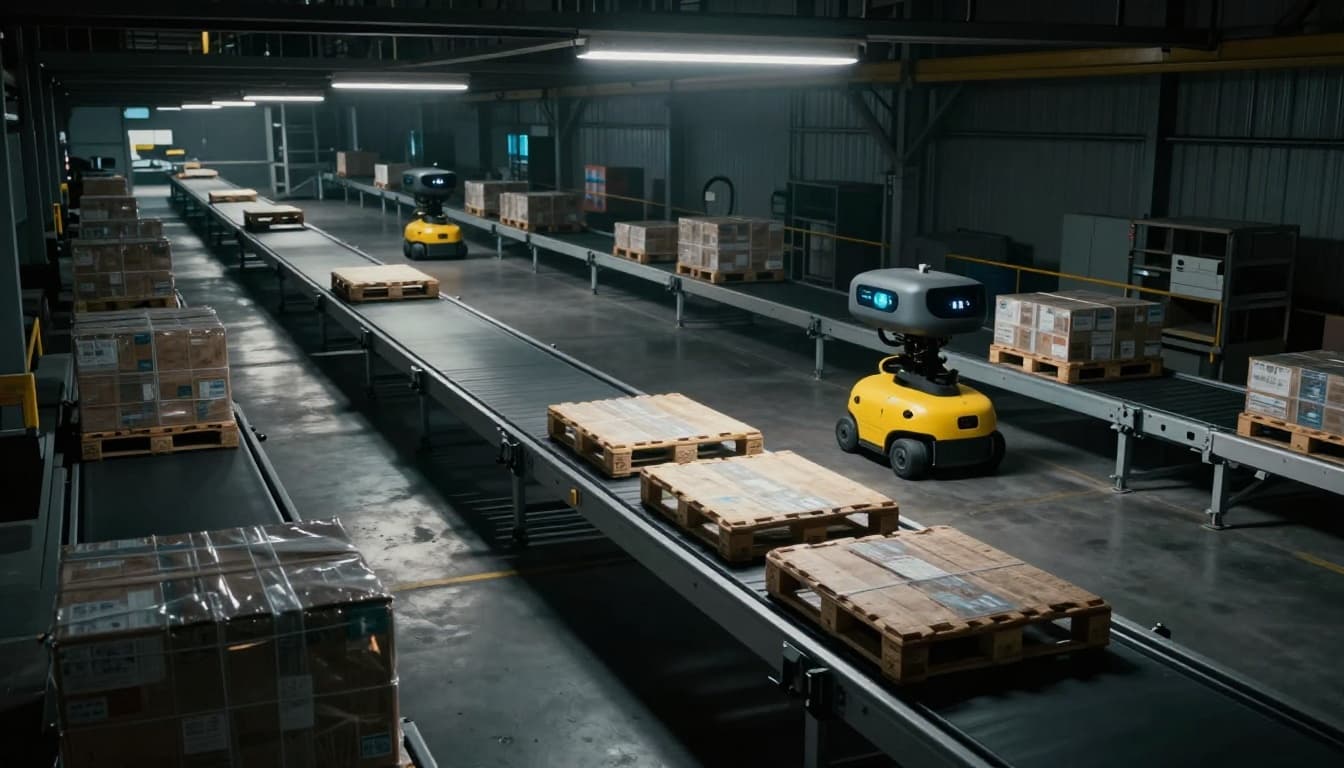
Autonomous mobile robots (AMRs) can move pallets and bins to the right pick area. Conveyors also speed up movement for high-volume items. Vertical storage systems, often called AS/RS (automated storage and retrieval), help warehouses store more inventory without expanding floor space.
When automation and dock scheduling work together, the warehouse can load in a predictable rhythm. Carriers benefit because pickups become more consistent.
Even small improvements matter. Fewer manual moves means fewer mis-scans and fewer damage events. As a result, transportation exceptions drop, and on-time performance stays steadier.
IoT Sensors, RFID Tags, and AI Predictions
Tech connections don’t stop at software. Many warehouses use RFID tags and sensors to track items more precisely. That helps with faster receiving and more accurate inventory counts.
Then come the sensors tied to transportation conditions. Temperature monitoring supports cold storage. Shock and location tracking can support high-value goods.
AI predictions add another layer. AI can forecast demand and help staff plan labor and picking waves. It can also flag congestion risk by spotting bottlenecks before trucks arrive.
In many companies, that means better decision-making during disruptions. For instance, if the system predicts a dock slowdown, teams can reroute inbound loads or adjust pickup times.
In March 2026, this push toward connected, real-time visibility is more common than ever. It’s also why warehouses and transportation teams increasingly act like one operation, not two separate departments.
Challenges in Linking Warehouses to Transport and Smart Fixes
Even with great systems, warehouses face daily friction. Freight arrives late sometimes. Carriers miss appointments. Demand shifts. Space gets tight.
The good news is that many problems share the same root cause: gaps between how the warehouse plans and how transport actually runs. When planning and execution match, performance improves quickly.
Let’s look at the most common hurdles first, then the fixes that work.
Top Hurdles: Delays, Costs, and Sync Issues
One major issue is delays at the connection point. If trucks can’t stage properly, they wait. That wait time then backs up loading docks. Meanwhile, outbound shipments miss their schedules.
Another hurdle is space constraints. Warehouses expand slowly, but freight demand changes faster. When the dock count, staging lanes, or storage capacity fall behind, the whole flow slows down.
There’s also the “sync” problem. If data updates lag, teams plan with outdated info. That leads to wrong load assignments, incorrect pick waves, or missed carrier cutoffs.
Finally, cross-docking can add pressure when it’s poorly planned. Cross-docking removes long storage time. So it also removes slack. If inbound timing and outbound routing don’t match, you get rework.
If cross-docking issues sound familiar, you can see examples of common problems in Common Challenges in Cross-Docking and How to Address Them.
When systems don’t match reality, cost shows up as wait time, rework, and missed pickups.
Proven Solutions: Location, Tech, and Strategies
Start with location when you can. The best fix for slow connections is often reducing distance and improving access routes. If a site is near highway lanes, rail intermodal points, or port terminals, you cut down on travel time and friction.
Next, connect planning systems. WMS and TMS integration helps ensure inventory status and shipping plans match. Then dock scheduling tools can assign time windows based on expected arrivals and loading capacity.
Strategies like cross-docking work best when timing is disciplined. That means stronger appointment rules, clearer carrier communication, and better inbound routing controls. Many logistics teams also emphasize load consolidation to reduce touches. Fewer touches lower handling risk and speed up flow.
Some companies find cross-docking improvements by focusing on how inbound loads get sorted. A guide like Cross Docking Logistics Explained: Faster Freight, Lower Costs highlights how quick transfers can reduce costs when the process matches the schedule.
The biggest payoff is operational rhythm. When arrivals, dock capacity, and outbound routes align, you see fewer exceptions. In turn, carriers trust the warehouse more. That trust supports better pickup timing and fewer last-minute changes.
2026 Trends: What’s Revolutionizing Warehouse-Transport Ties
As of March 2026, the biggest changes aren’t only new robots. They’re about how all parts of the system coordinate.
More warehouses now treat transportation planning as part of daily warehouse operations. That means real-time truck arrival visibility, automated gate check-in, and better dock scheduling. Teams can see congestion forming and respond before it turns into missed loads.
Smart warehouses are also using IoT sensors more widely. Sensors track conditions in transit and within storage zones. RFID tags help speed receiving and improve scan accuracy. Then AI helps predict demand and plan staffing based on upcoming shipment patterns.
Automation continues too. AMRs and other material handling upgrades reduce repetitive labor and move goods faster to loading zones. In addition, warehouses are rethinking layouts. Instead of fixed zones that assume one flow, more sites use dynamic racking and more flexible pick paths.
Finally, sustainability is shaping transport links. Many operations adopt energy-efficient lighting and smarter HVAC. Some fleets also shift to electric vehicles for local delivery lanes when routes support it. In short, “green” is no longer separate from “performance.” It affects routing, equipment choices, and even dock operations.
If you want a look at where smart warehouse ideas are moving, Dawn of the Smart Warehouse – MHI Solutions covers how data-driven automation is changing the way facilities run.
Conclusion
Warehouses connect to transportation systems through more than location. They connect through infrastructure, like docks, rail access, port handling, and airport proximity. They also connect through software and sensors that share live updates across teams.
When those physical and tech links work together, shipments move with fewer delays. That helps you cut costs tied to waiting, rework, and missed pickups. It also helps customers feel the difference, because deliveries arrive when promised.
The hook from the start was simple: online shopping works only when warehouse-to-door flows stay smooth. If you’re improving logistics this year, focus on the weakest connection first. Then ask one question, where does your freight slow down the most?