
Manual counts can be shockingly off. Many US businesses land around 63% inventory accuracy with slow, people-based processes, while scanner and tracking systems can push accuracy close to 99%+ when deployed well.
Scanners are devices that read item codes fast, like barcodes, QR codes, and RFID tags. Tracking devices go a step further by keeping tabs on where items are, using signals like GPS, Bluetooth beacons, and other IoT sensors.
So why does this matter? Because most “inventory problems” start as small read errors. Someone keys the wrong SKU, records the wrong quantity, or misplaces items during receiving. Then the system learns the wrong reality.
With scanners and tracking devices, you reduce those errors by automating reads, cutting down manual typing, and adding location context. Next, you’ll see how each tech type works, which accuracy gains are realistic, and why industries from logistics to healthcare get fewer losses and faster workflows.
How Scanners and Trackers Actually Work to Nail Precision
Think of scanners and trackers like a switch from guesswork to evidence.
Manual inventory is like counting with a sticky note. You can do it, but your brain can skip a number, repeat one, or get distracted halfway through. Then updates hit later, so the record drifts from what’s actually on the floor.
Tech changes that. First, scanners capture IDs right at the moment of handling. Next, tracking systems attach position or sensor data to those IDs. As a result, your inventory records match reality more closely, and discrepancies get caught earlier.
When you compare methods, accuracy often follows the same pattern: the less you ask people to type, the fewer mistakes you see. The best setups also add verification, so a wrong scan has a clean path to correction.
Accuracy jumps because the system stops relying on memory and starts relying on captured data at the point of work.
Below, you’ll see why barcodes, RFID, and location tech behave so differently in practice.
Barcode and QR Code Scanners: Reliable and Affordable Basics
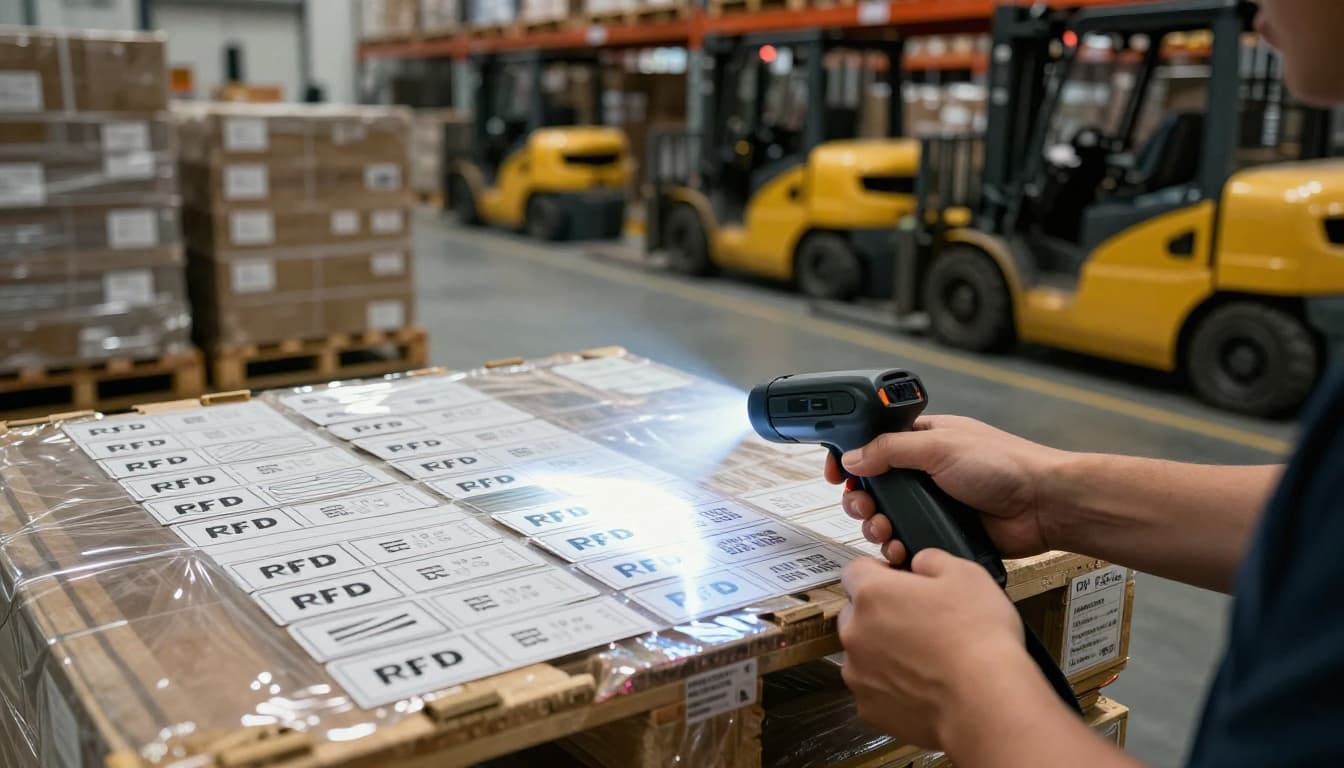
Barcodes and QR codes work by reading optical patterns. You aim the scanner at the label, light bounces back, and software decodes the ID.
In many real settings, barcode scanning lands around 85% to 98% accuracy. That range depends on label quality and handling habits. If labels get smudged, wrinkled, or printed too small, the scanner struggles. If you scan poorly positioned labels, you also risk misreads.
The tradeoff is cost and ease. Barcode labels are cheap, often pennies each, and the scanners don’t require heavy setup. If your process scans at key steps (receiving, putaway, picking, and cycle counts), you remove a huge chunk of human error.
A key reason this improves accuracy is simple: you replace slow keying with fast reads. EpicRise Electronics explains that barcode scanners reduce inventory errors by replacing manual typing with standardized data capture at the point of work: how barcode scanners improve inventory accuracy.
A practical example: in retail, employees can scan items during shelf checks and receipts. Because the system captures the SKU instantly, the stock record updates while the product is still nearby. That timing alone reduces “late corrections.”
However, barcodes usually need a deliberate scan of each item. If your team scans one-by-one in a chaotic zone, you still lose time and risk skipped scans.
RFID Tags: Bulk Power Without the Fuss
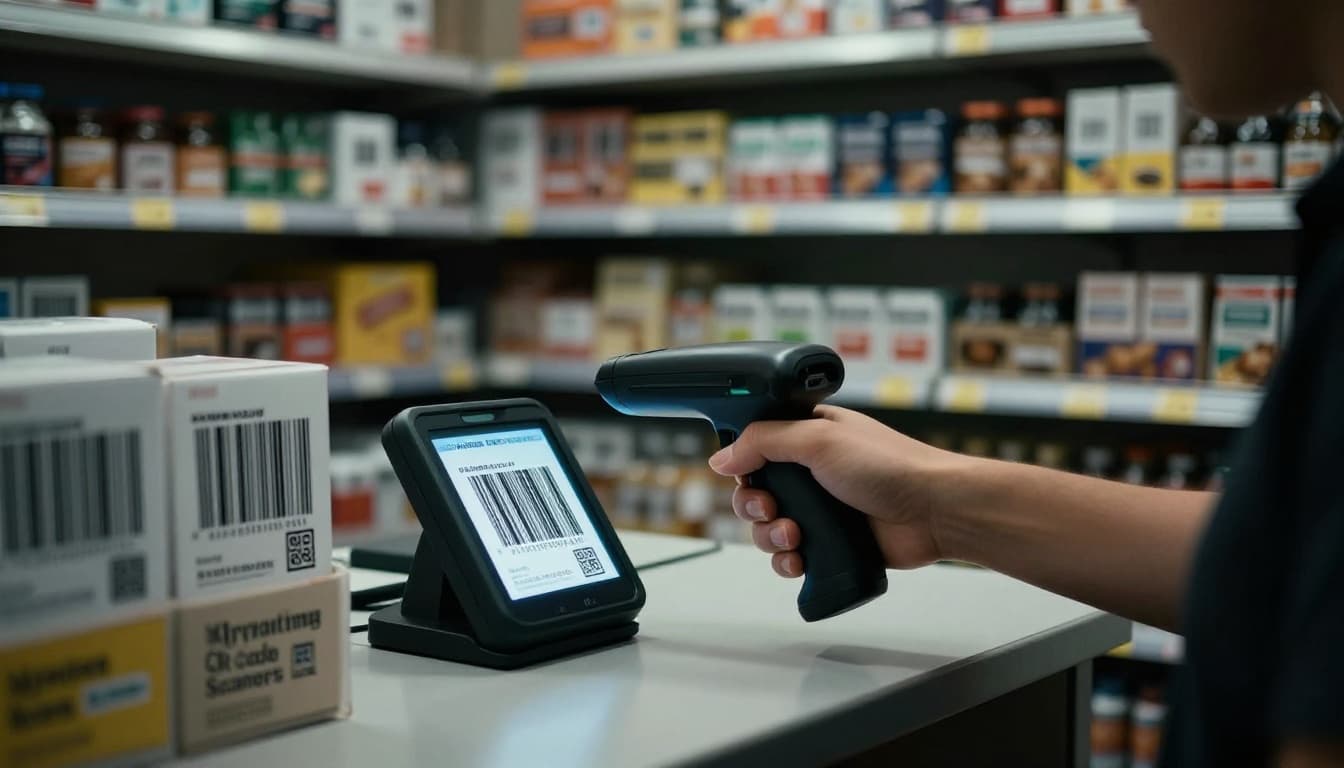
RFID uses radio waves instead of reflected light. So you don’t need line-of-sight the way you do with barcodes.
That difference matters a lot in warehouses. With the right setup, RFID reads hundreds of tags quickly, often described as 99.5% to 99.9% for bulk reads. In other words, it behaves like “wireless eyes” that can see through boxes and pallets.
Range also helps. Many RFID setups can read items at distances that feel almost magical compared to aiming a scanner. So you can verify a pallet load without taking every item out.
Accuracy improves for two reasons:
- You reduce manual steps (less typing, fewer re-checks).
- You capture more reads per minute, so fewer items slip through unverified.
If you’re evaluating RFID scanning in a warehouse context, G10 Fulfillment’s explanation is worth a read. Their discussion highlights how real-time RF scanning stops inventory from turning into a delayed echo of what happened: RF scanning inventory tracking and accuracy.
One gotcha is environment. Metals and liquids can affect RFID performance if the system isn’t designed for your materials. Still, with proper tag type selection and reader placement, RFID usually beats manual counting by a wide margin.
GPS, Beacons, and IoT: Location and Sensor Smarts
Now let’s talk location accuracy, because “knowing what” is only half the battle. You also need to know “where.”
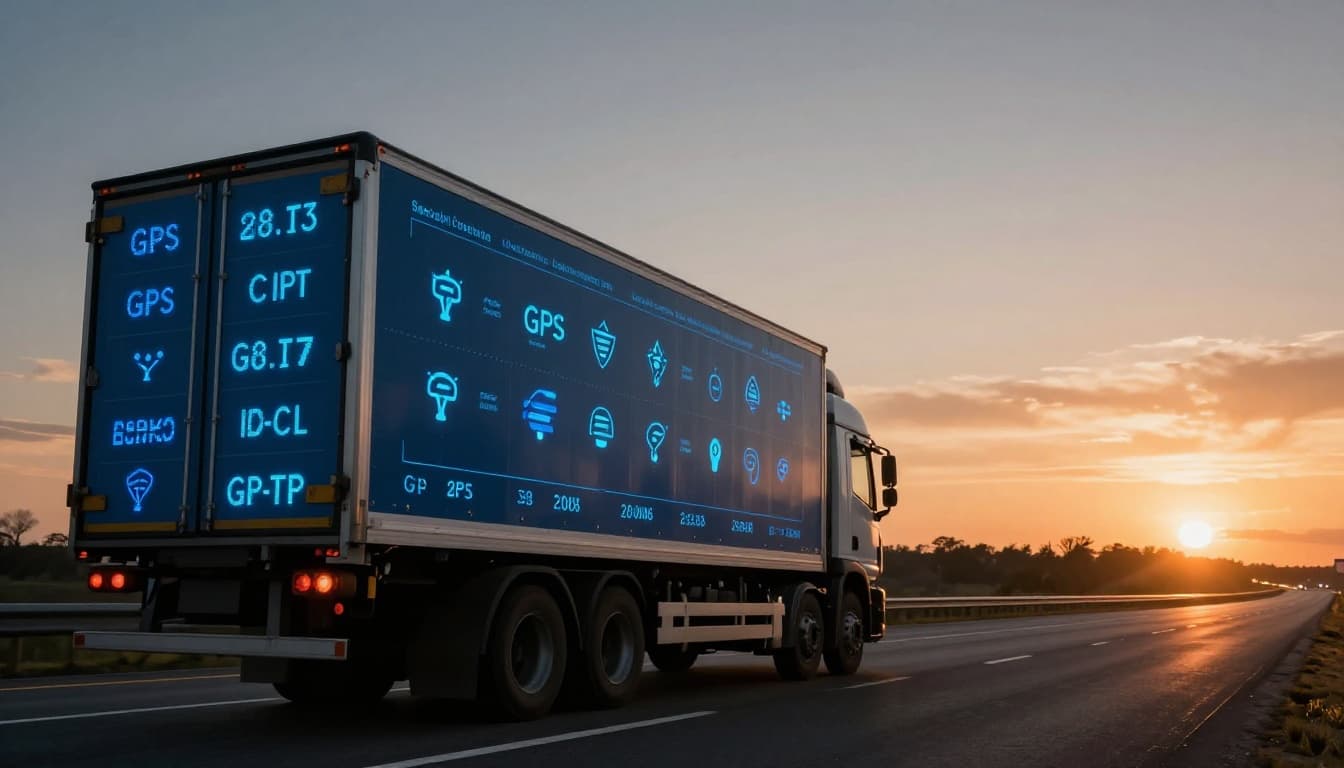
GPS is strong outdoors. It can track vehicles and fleets in real time, and it helps with ETA accuracy. But for indoor areas, GPS struggles because signals don’t work well through walls and dense structures.
That’s where Bluetooth beacons and other IoT location systems step in. Many beacon systems support “room-level” tracking around 1 to 5 meters, and stronger approaches can get closer to sub-meter placement by using extra signal methods.
When accuracy improves with location tech, you gain faster resolution. If an item is “missing,” the system can tell you which zone it likely sits in. That cuts down time spent searching across an entire floor.
IoT sensors add another layer. Temperature, humidity, door open events, vibration, and power status can all tie back to an asset ID. As a result, you catch problems earlier, not after a customer complaint.
The Big Accuracy Jumps: Numbers That Show Real Impact
Here’s the pattern businesses care about: accuracy rises when systems capture data automatically, at the right time, at the right step.
The realtime stats commonly reported for US operations show manual counts landing roughly in the 65% to 85% range, with many teams seeing “manual lows” around 63%. Barcode scanning then lifts accuracy into the 85% to 98% band. RFID pushes into 95% to 99.9% territory. IoT-driven setups often land around 90% to 99%+ for tracking and verification workflows.
So what changes internally? Your error types shift.
Manual processes fail in repeatable ways:
- miscounts
- wrong item IDs
- delayed updates
- forgotten movement records
Automated reads don’t remove every error. But they change where errors show up, and they make errors easier to spot quickly.
| Method | Inventory Accuracy (Typical Range) | Why it performs that way |
|---|---|---|
| Manual counts | 65% to 85% (often around 63% for weak processes) | Slow, high human error, delayed updates |
| Barcode scanning | 85% to 98% | Optical read at point of work, but one-at-a-time scanning |
| RFID scanning | 95% to 99.9% | Bulk reads, no line-of-sight, fast verification |
| IoT (plus RFID/BLE/GPS) | 90% to 99%+ | Real-time status and alerts tied to IDs and locations |
If you want a practical comparison angle, CYBRA’s overview of RFID vs barcode helps frame the tradeoffs teams see in cost and accuracy: RFID vs barcode updated for 2026.
The biggest accuracy win isn’t the scanner alone. It’s the workflow that forces a scan right when the move happens.
From Human Mistakes to Near-Perfect Counts
Accuracy gains come from fixing the “classic” mistakes first.
Double-counting happens when teams return to the same zone with a different method. With scanning, each item’s record can be verified against what the system already believes.
Wrong IDs happen when someone types a similar SKU by hand. Barcode and RFID reduce “keyboard mistakes” by replacing typed values with machine reads.
Lost items often come from unrecorded movement. Items get staged, moved, or picked up temporarily, but the record update happens later. With tracking, the movement gets logged sooner, so “missing” becomes a solvable event, not a mystery.
When you combine scanning with verification steps (like reading at receiving and again at putaway), you can catch issues before they spread into shipping errors, customer delays, or emergency cycle counts.
Industries Winning Big with Better Tracking Accuracy
Different industries chase the same outcome: fewer losses, fewer rework loops, and faster decisions.
What’s interesting is how accuracy shows up in daily work. It shows up as fewer “where is it?” calls. It shows up as fewer emergency counts. It shows up as calmer shift handoffs, because the system knows what changed.
The numbers vary by workflow and setup, but the direction is consistent. When accuracy rises, teams spend less time searching and more time moving work forward.
Logistics and Retail: Smoother Flows, Fewer Losses
In logistics, pallet and container tracking reduces time spent chasing misrouted loads. RFID and GPS together help teams see both identity and movement.
For a real-time location systems angle, VITRACX discusses how RTLS-style approaches add automated data capture and asset visibility to improve inventory accuracy: increasing inventory accuracy with RTLS.
In retail, scanning during receiving and shelf checks reduces shrink. It also improves replenishment timing. When your inventory record is close to reality, you buy less “just in case,” and you restock what’s actually selling.
Healthcare and Manufacturing: Precision Where It Counts Most
Healthcare adds a hard constraint: time and safety. If critical tools or devices aren’t where records say they are, clinicians waste time searching. RFID plus Bluetooth can reduce that by improving visibility inside facilities.
Manufacturing faces a similar pain point. If parts aren’t where the plan says they are, line stoppages follow. Tracking also helps with quality checks, because the system ties components to batches and locations.
For an example of RFID value in medical equipment tracking, SmartX HUB shares a case study on Fresenius Kabi improving inventory speed using RFID-powered medical equipment tracking: Fresenius Kabi RFID-powered equipment tracking.
Sports: Tracking Every Move Flawlessly
Sports tracking usually focuses on player movement and event timing. Still, the accuracy logic holds.
When tracking devices get better at reading IDs and positions, teams can trust the data. That trust matters for training decisions, injury risk checks, and officiating support.
Also, better accuracy reduces “cleanup work.” If tracking data is messy, staff spend time fixing it. When the data is cleaner, analysis starts sooner.
2026 Trends: Smarter Tech for Even Higher Accuracy
In 2026, accuracy improvements often come from two things: hybrids and better setup.
Hybrid systems pair technologies. For example, teams may use RFID for item identity, then use Bluetooth or UWB for tighter location context. This helps keep batteries lower and improves location precision.
Bluetooth is also improving. Newer approaches like Channel Sounding and Angle of Arrival methods can push tracking from room-level toward more precise positioning indoors.
On the outdoors side, GPS setups can use advanced positioning approaches like RTK when you need centimeter-level accuracy. GPS World covers hybrid RTK’s role in scalable high-precision positioning for IoT: hybrid RTK for high-precision positioning.
Finally, AI and edge processing help reduce error fallout. Instead of just collecting raw scans, systems can flag odd patterns, detect tag reads that look wrong, and route alerts to the right team quickly.
Conclusion: Make Accuracy a Habit, Not a Hope
That first hook about manual inventory accuracy tells the real story. If people do most of the work, accuracy stays limited. If scanners and tracking devices capture the truth at the point of work, accuracy rises fast.
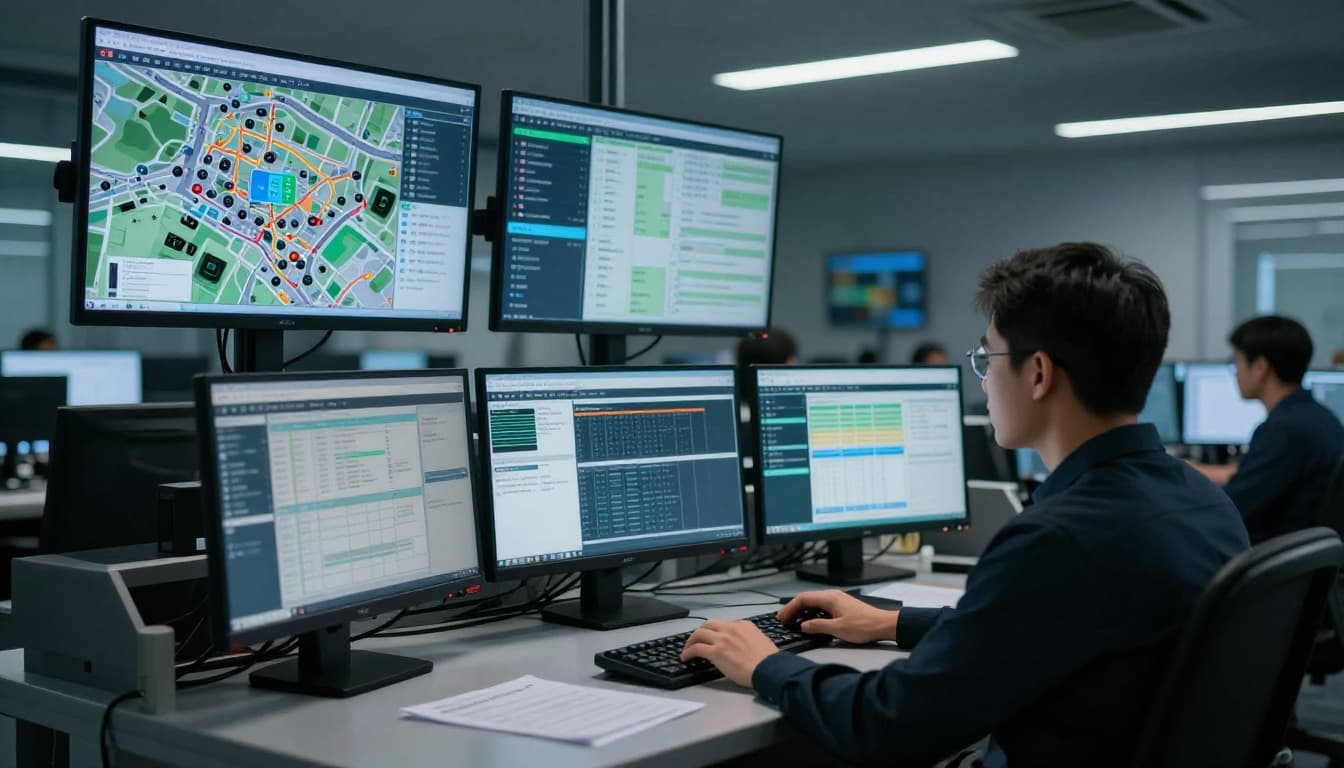
Across barcode, RFID, GPS, and IoT, the pattern is the same: automation cuts read errors, bulk scanning speeds up verification, and location data makes missing items easier to resolve. Then the business benefits show up as fewer losses and fewer emergency fixes.
If you want accuracy to improve in your operation, start by mapping your highest-risk steps. Then decide where scanning and tracking should happen so updates land while the item is still nearby.
Once that workflow is in place, perfection becomes routine, not a one-time count.